
Understanding the Holiday Demand for American Beef in Asia
OP
The Rising Popularity of American Beef in Asian Markets
In recent years, the demand for American beef in Asia has seen a significant increase, especially during the holiday seasons. This trend is driven by several factors, including cultural shifts, economic growth, and the growing middle class in many Asian countries. Understanding these dynamics can provide valuable insights for businesses looking to capitalize on this market.

Cultural Influence and Changing Preferences
Traditionally, beef was not a staple in many Asian diets. However, as Western culture has permeated through media, cuisine, and lifestyle, there's been a noticeable shift in dietary preferences. Younger generations, in particular, are more open to incorporating beef into their meals, viewing it as a status symbol and a source of premium nutrition.
Holidays such as Lunar New Year, Christmas, and other local festivals have also contributed to this demand. During these times, families seek out high-quality ingredients to prepare lavish meals, making American beef a popular choice.
Economic Growth and Increased Purchasing Power
Asia's rapid economic growth has led to increased disposable income among its population. This economic upturn has empowered consumers to make more diverse dietary choices, including the consumption of imported goods like American beef. Countries like China, Japan, and South Korea have become major importers, with their markets continually expanding.
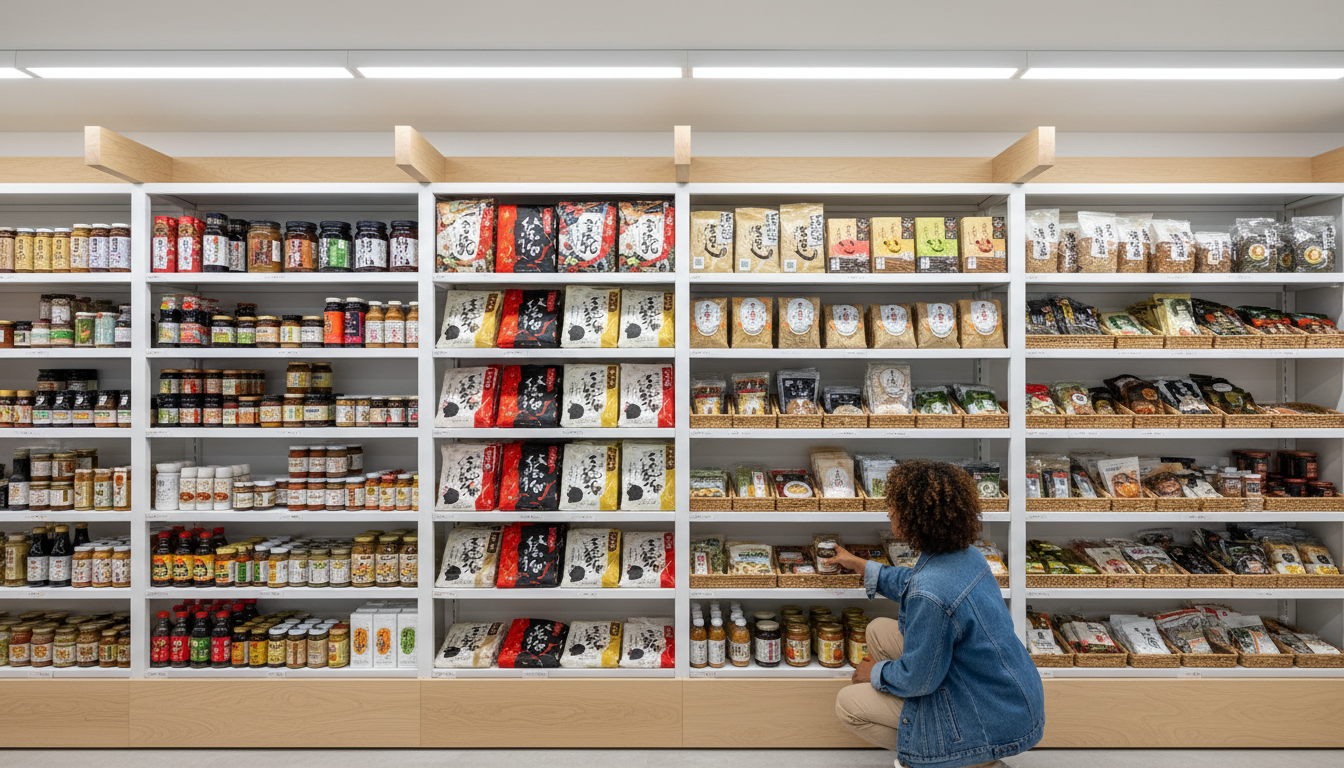
Moreover, the burgeoning middle class in these countries is fueling demand for premium products. American beef is often perceived as superior in quality, which aligns with the aspirations of these consumers to enjoy a higher standard of living.
Supply Chain and Trade Agreements
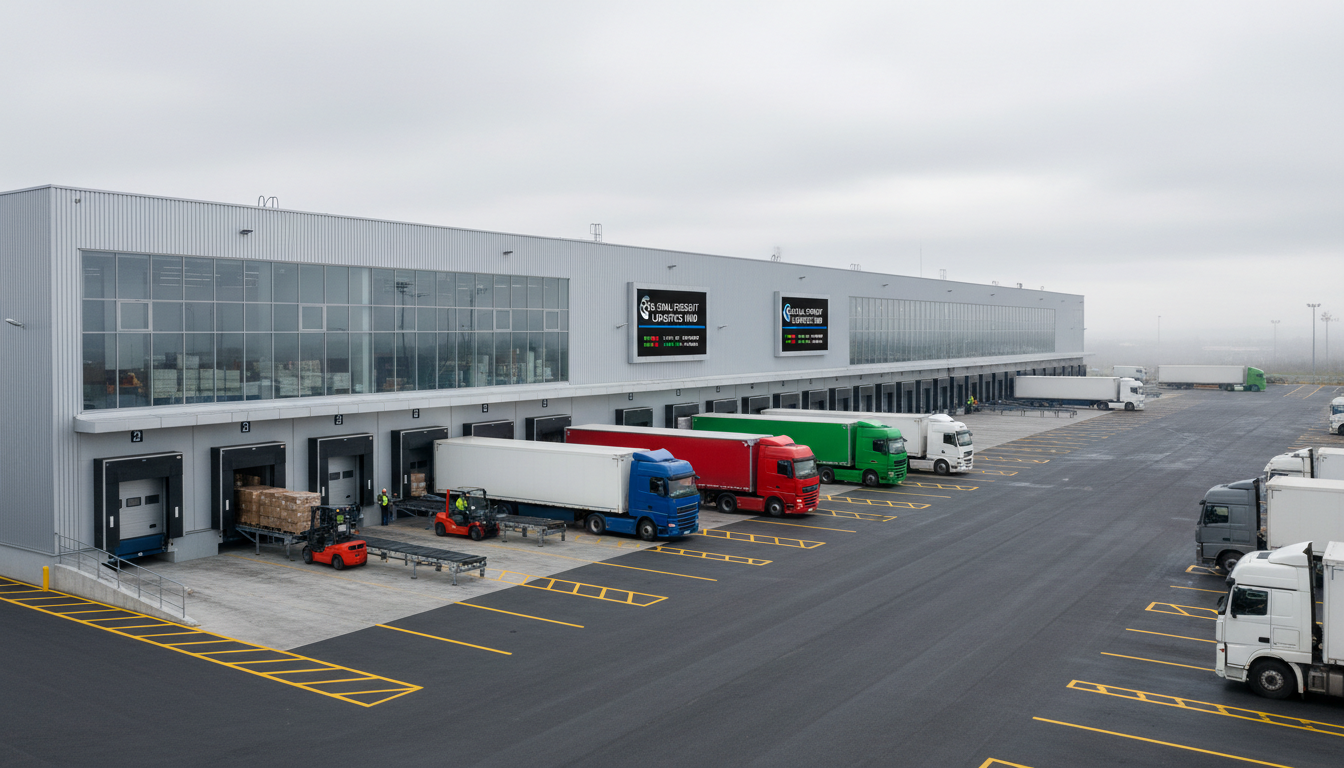
The availability of American beef in Asia is also facilitated by efficient supply chains and favorable trade agreements. These frameworks ensure that beef products are delivered fresh and are competitively priced. By reducing tariffs and streamlining logistics, both American producers and Asian consumers benefit from improved access and affordability.
Adopting innovative technologies and practices in cold storage and transportation has further enhanced the ability to maintain quality during transit, ensuring that beef retains its taste and nutritional value by the time it reaches consumers.
Marketing Strategies and Consumer Engagement
To further boost the demand, American beef producers have implemented targeted marketing campaigns in Asia. These campaigns often highlight the quality, safety, and taste of American beef, resonating with health-conscious and quality-seeking consumers.
Engagement through social media, cooking shows, and collaborations with local chefs has also played a crucial role in educating consumers and promoting the versatility of beef in various culinary contexts.
Challenges and Opportunities
Despite the growing demand, there are challenges that producers must navigate. These include competition from local beef producers, fluctuating trade policies, and the need to cater to diverse culinary traditions. However, these challenges also present opportunities for innovation and adaptation.
By understanding local preferences and building strong relationships with Asian partners, American beef producers can continue to thrive in this burgeoning market.