
Understanding the Demand for Brazilian Beef in Asia: A Market Analysis
OP
The demand for Brazilian beef in Asia has seen a significant rise in recent years. This growth can be attributed to various factors, including changing dietary preferences, population growth, and economic developments across Asian countries. Understanding these dynamics is crucial for stakeholders in the beef industry.

Economic Growth and Increasing Affluence
One of the primary drivers of increased beef demand in Asia is the region's robust economic growth. As economies expand, so does the disposable income of consumers, allowing them to diversify their diets. Beef, which was once considered a luxury, is becoming more accessible.
Countries like China and South Korea are leading this trend, with middle-class populations rapidly increasing. This shift is creating new opportunities for Brazilian beef exporters to tap into burgeoning markets.
Changing Dietary Preferences
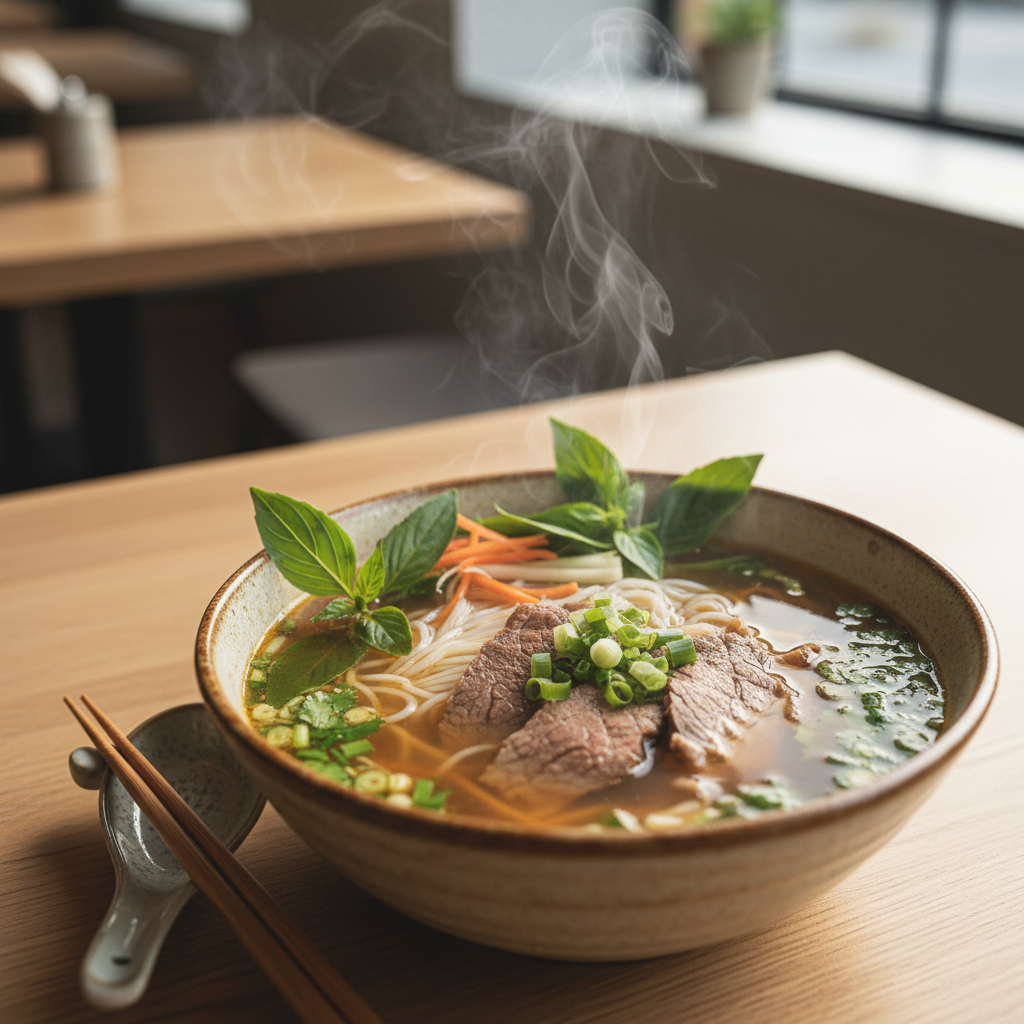
Asian consumers are increasingly adopting Western dietary habits, which often include higher meat consumption. This change is particularly evident among younger generations who are more open to trying different cuisines. Brazilian beef, known for its quality and taste, fits well into this evolving dietary landscape.
Quality and Safety Standards
Brazilian beef is renowned for its high quality and adherence to strict safety standards. The country's beef industry has invested heavily in improving production processes, ensuring that the meat meets international health and safety regulations. This commitment to quality is a significant factor in its appeal to Asian consumers.
Moreover, strategic partnerships and trade agreements between Brazil and Asian countries have facilitated smoother market entry, allowing Brazilian beef to compete effectively with local and other international suppliers.
Logistics and Supply Chain
The logistics and supply chain infrastructure supporting Brazilian beef exports is another critical component of its success in Asia. Efficient transportation networks and advanced supply chain management ensure that beef products reach their destinations in optimal condition.

Additionally, technology plays a crucial role in streamlining the supply chain. From tracking shipments to ensuring timely deliveries, these innovations contribute to maintaining the freshness and quality of the beef.
Future Prospects and Challenges
While the demand for Brazilian beef in Asia is poised for further growth, challenges remain. These include competition from other beef-exporting nations, fluctuating currency rates, and potential trade barriers. However, with strategic planning and adaptation to market needs, these obstacles can be navigated.
The future of Brazilian beef in Asia looks promising, with opportunities for expansion and increased market penetration. Continued focus on quality, safety, and consumer preferences will be essential for sustaining this growth trajectory.