
Understanding the Brazilian Beef Export Process: Insights from Fa Bene Trading
OP
The Brazilian beef export process is a fascinating and complex system that plays a crucial role in meeting global demand for high-quality beef. Fa Bene Trading, a leader in this industry, offers valuable insights into the intricate steps involved in bringing Brazilian beef to international markets.
The journey begins with Brazil's vast and fertile land, which is ideal for cattle farming. The country's favorable climate and abundant natural resources contribute to a thriving beef industry. Fa Bene Trading emphasizes the importance of sustainable farming practices to ensure the long-term viability of this process.
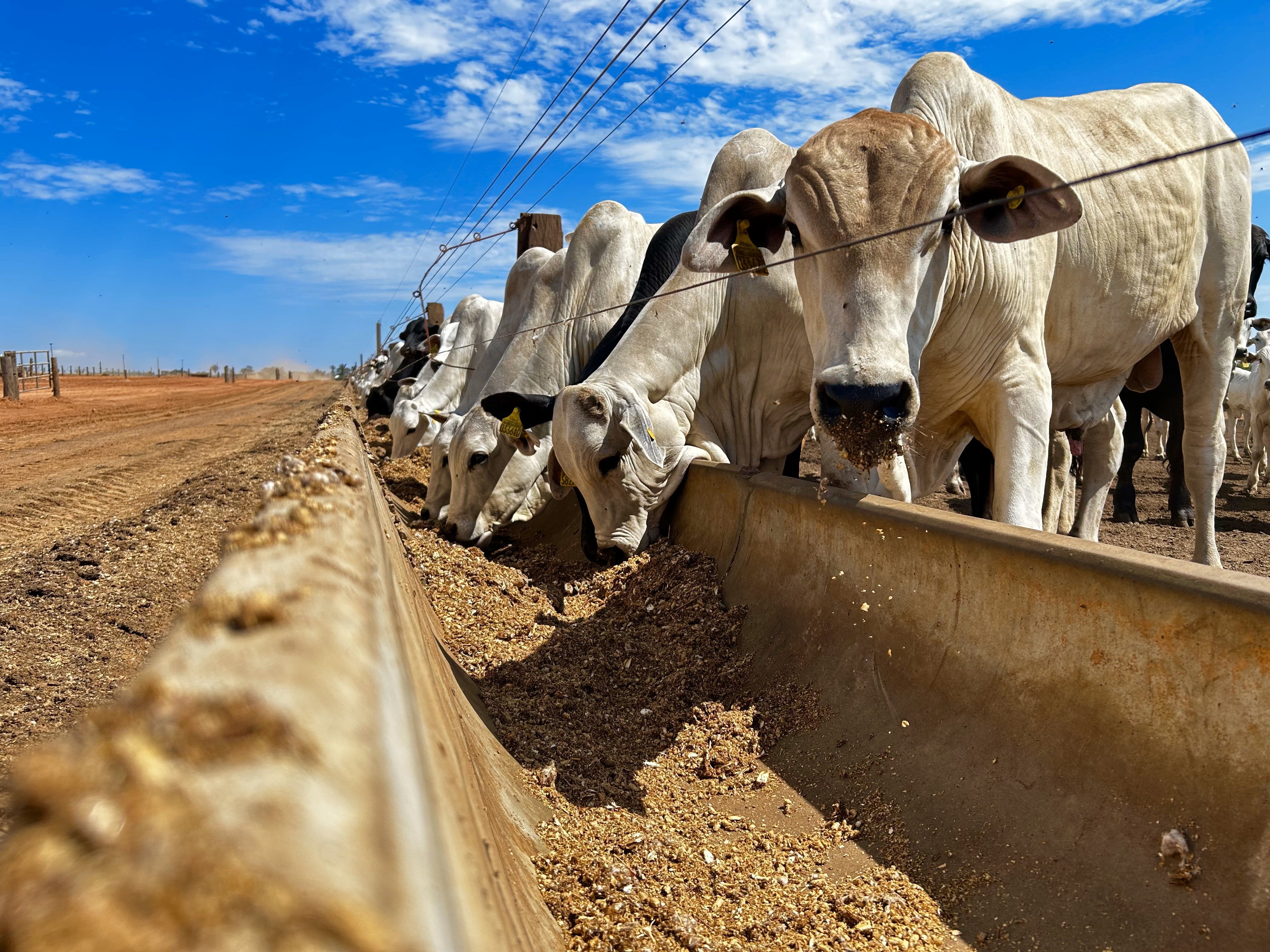
From Farm to Processing Plant
The first step in the export process is raising the cattle. Brazilian ranchers focus on breeding healthy and strong animals. Quality control measures are implemented from the outset, ensuring that the cattle are raised in optimal conditions. Fa Bene Trading works closely with local farmers to maintain these standards.
Once the cattle reach maturity, they are transported to processing plants. These facilities are equipped with state-of-the-art technology to ensure the meat is processed efficiently and safely. Stringent hygiene standards are upheld to meet international requirements.
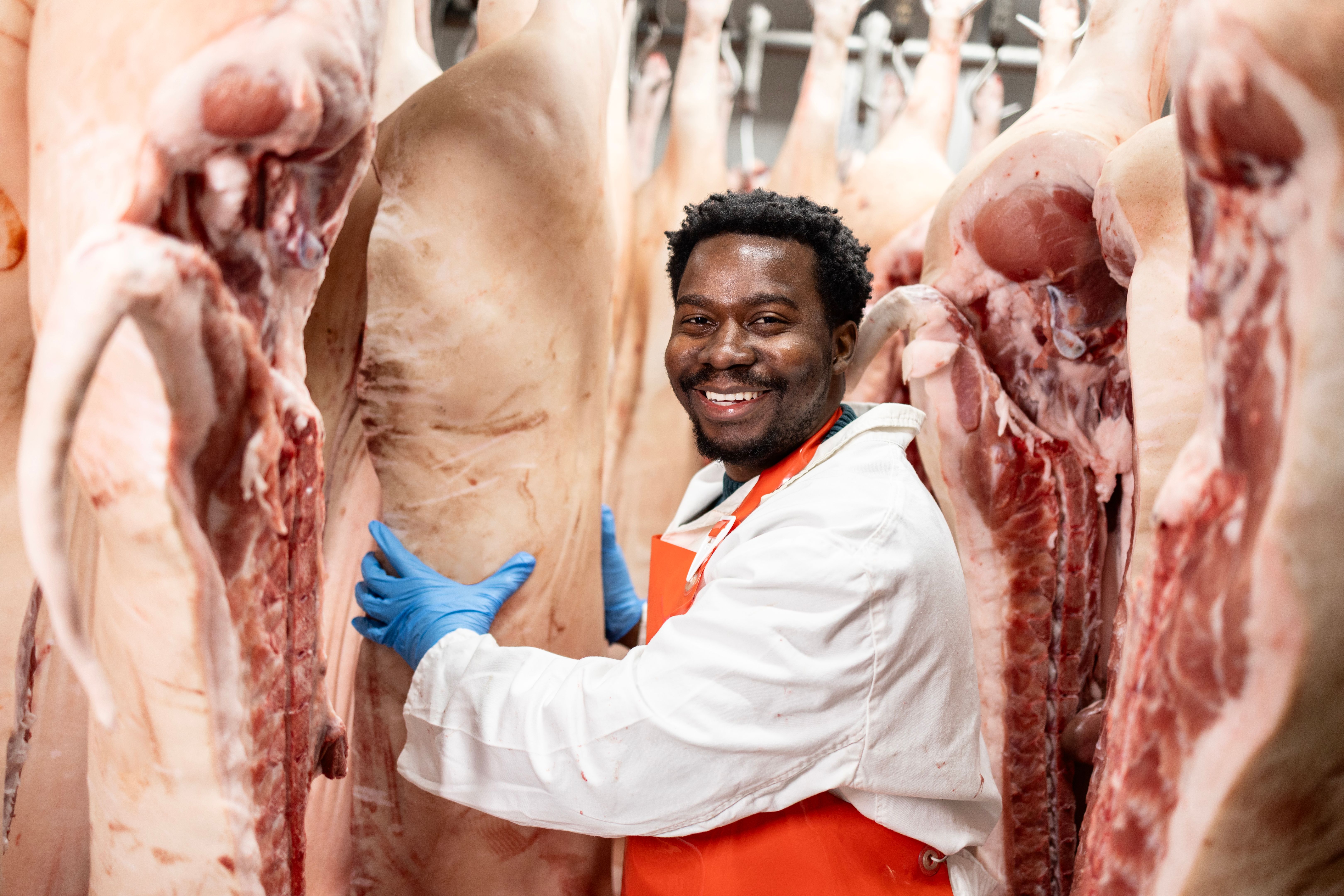
Quality Assurance and Certification
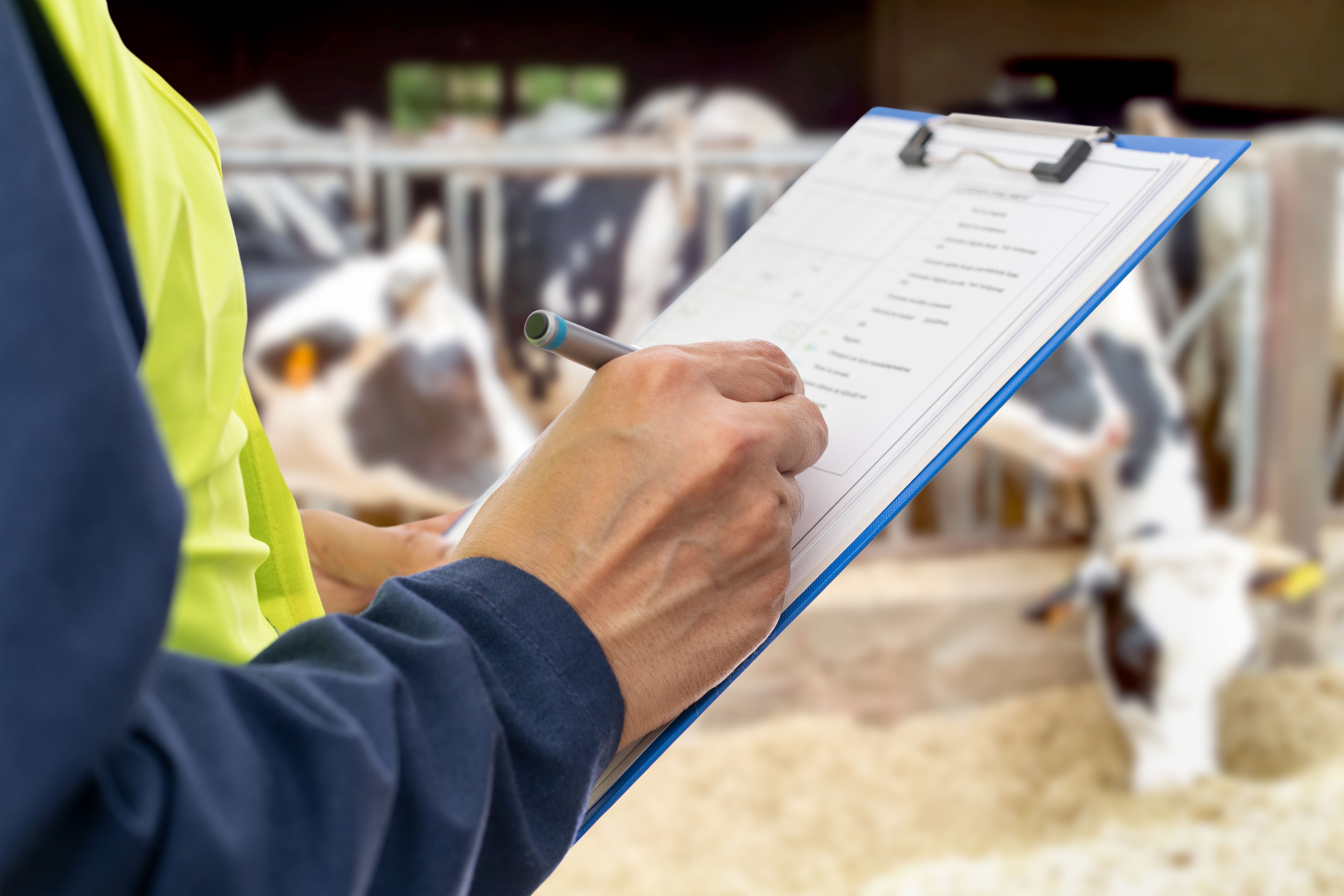
Quality assurance is a cornerstone of the Brazilian beef export process. Fa Bene Trading highlights the rigorous inspections and certifications required to export meat. The Brazilian Ministry of Agriculture oversees these procedures, ensuring compliance with global standards.
Certifications such as the Brazilian Federal Inspection Service (SIF) are essential for gaining access to international markets. These certifications guarantee that the beef is free from diseases and meets the necessary quality specifications.
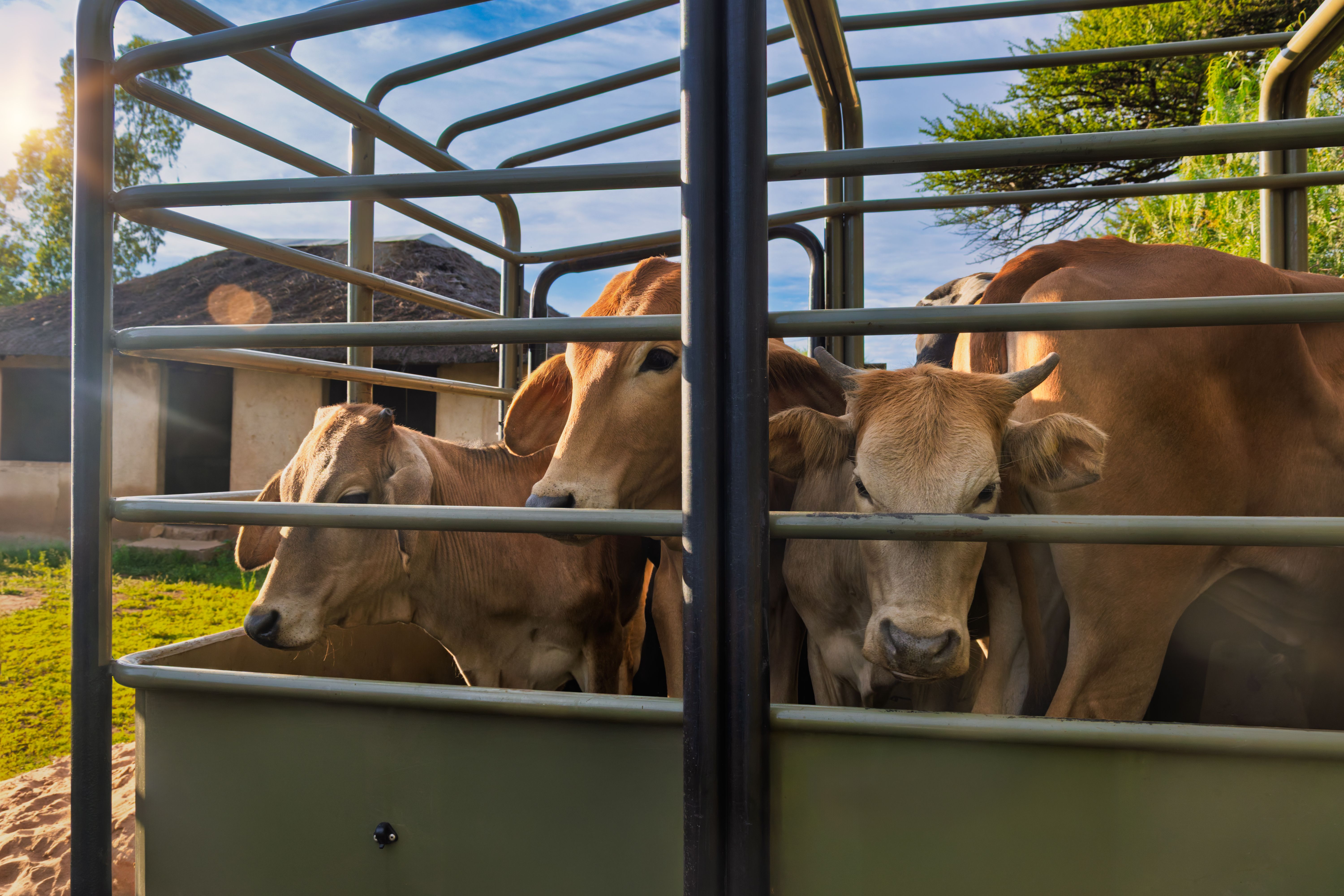
Logistics and Transportation
Once processed and certified, the beef must be transported efficiently to reach international destinations. Fa Bene Trading coordinates logistics to ensure timely delivery. This involves a combination of land, sea, and air transportation, depending on the destination.
Proper refrigeration during transit is crucial to maintain the beef's quality. Exporters must adhere to specific guidelines to ensure the meat remains fresh throughout its journey.
Market Distribution and Consumer Demand
The final stage in the export process is market distribution. Fa Bene Trading collaborates with distributors worldwide to ensure Brazilian beef reaches retailers and consumers. Understanding consumer preferences and market trends is vital for success in this stage.
Brazilian beef is renowned for its flavor and quality, making it a sought-after product globally. Fa Bene Trading plays a key role in promoting Brazilian beef, highlighting its attributes to attract international buyers.
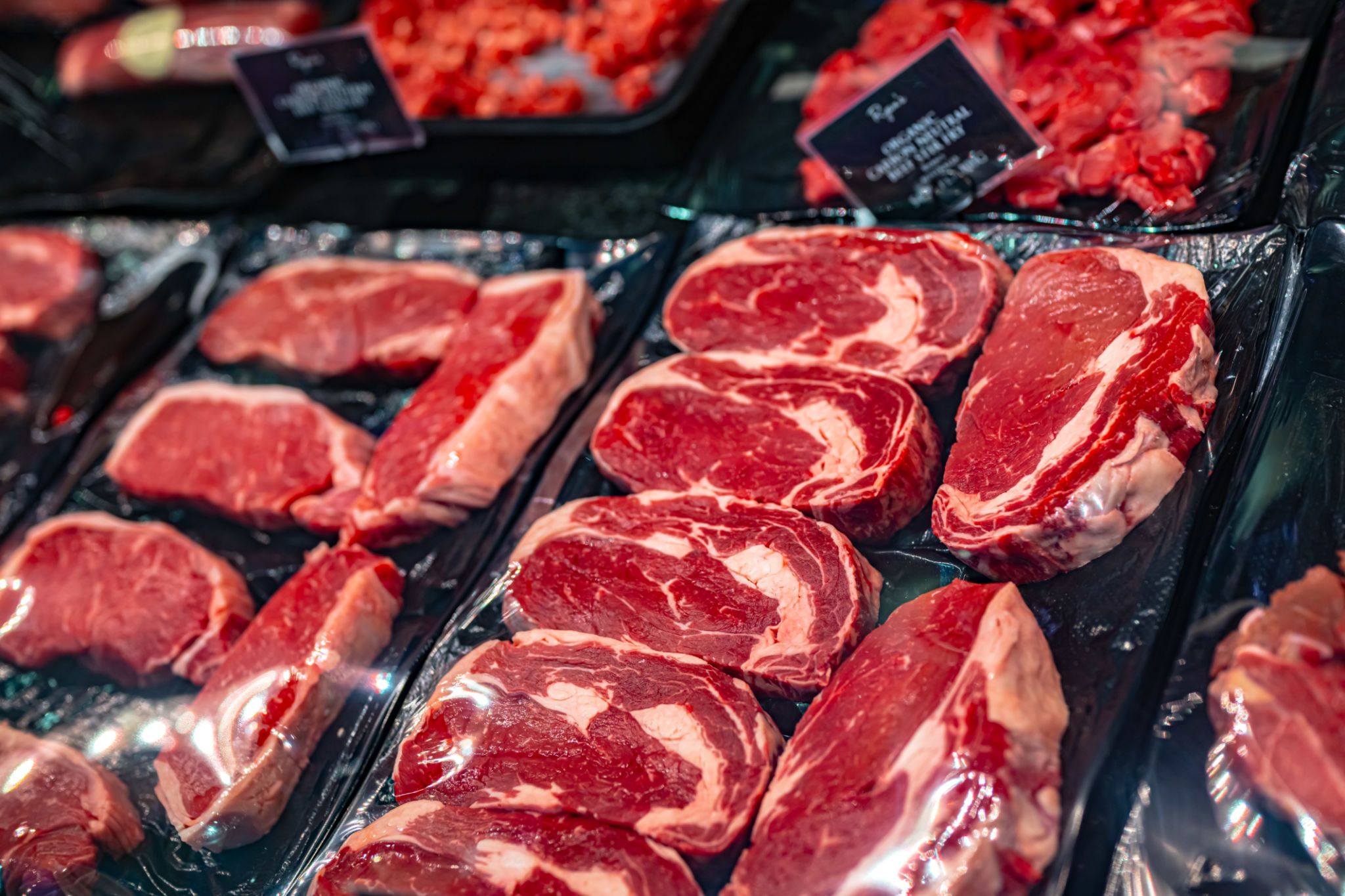
In conclusion, the Brazilian beef export process is a well-coordinated effort that involves many stages, from farming to distribution. Fa Bene Trading's expertise in this area ensures that Brazilian beef continues to satisfy global demand while maintaining high standards of quality and sustainability.