
The Journey of Organic and Sustainable US Beef to Asia
OP
In recent years, the demand for organic and sustainable beef has soared, especially in Asian markets. Consumers are increasingly conscious of the environmental impact and health benefits associated with their food choices. This shift is paving the way for US beef producers to cater to a more discerning customer base.
The journey of organic and sustainable US beef to Asia is a testament to evolving consumer preferences and the efforts of American farmers to meet these demands. Let's explore how this journey unfolds, from farm to table.
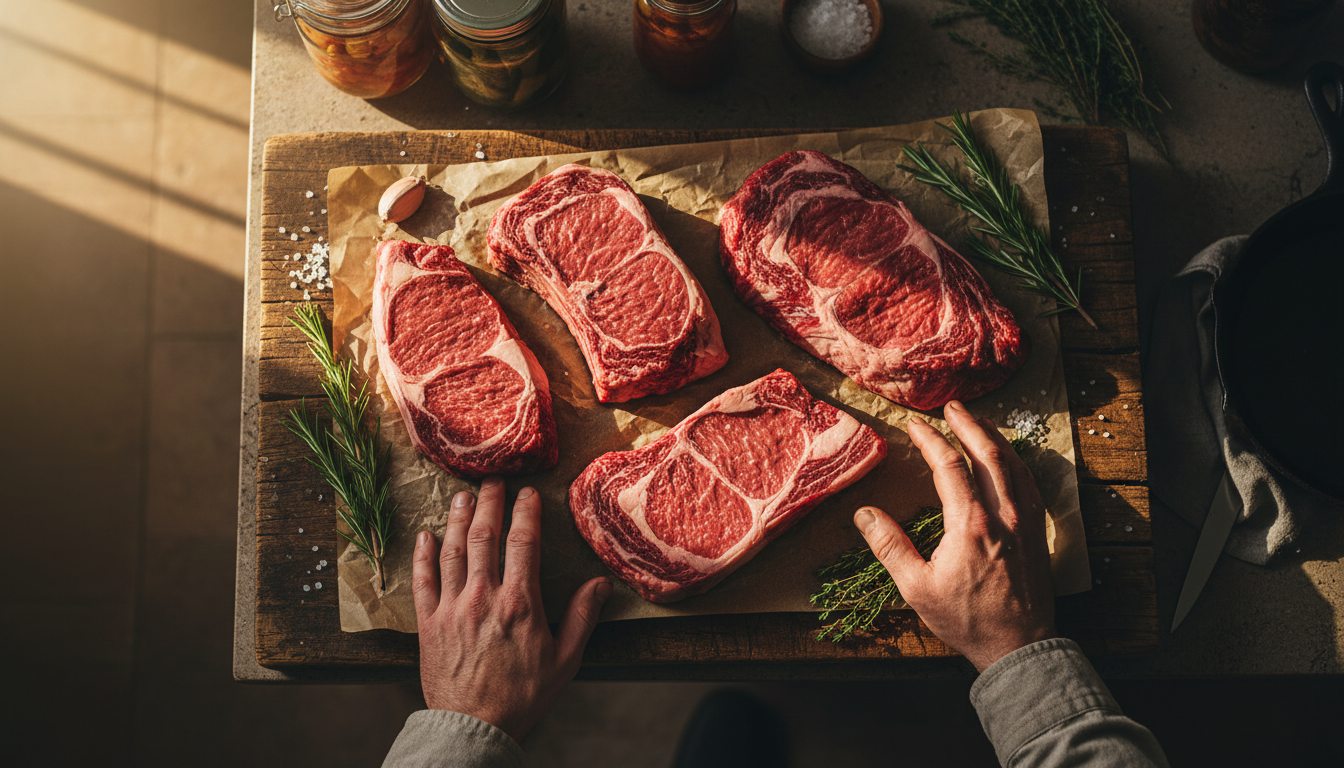
Raising Organic and Sustainable Beef
Organic and sustainable beef production begins with the commitment of US farmers to ethical and environmentally friendly practices. These farmers prioritize animal welfare, ensuring cattle have access to open pastures and are fed organic, non-GMO diets. This not only enhances the quality of the beef but also supports biodiversity and soil health.
Sustainability in beef production involves practices that reduce carbon footprints, such as rotational grazing and regenerative agriculture. These methods help in sequestering carbon and maintaining soil fertility, ultimately contributing to a healthier ecosystem.
Certification and Quality Assurance
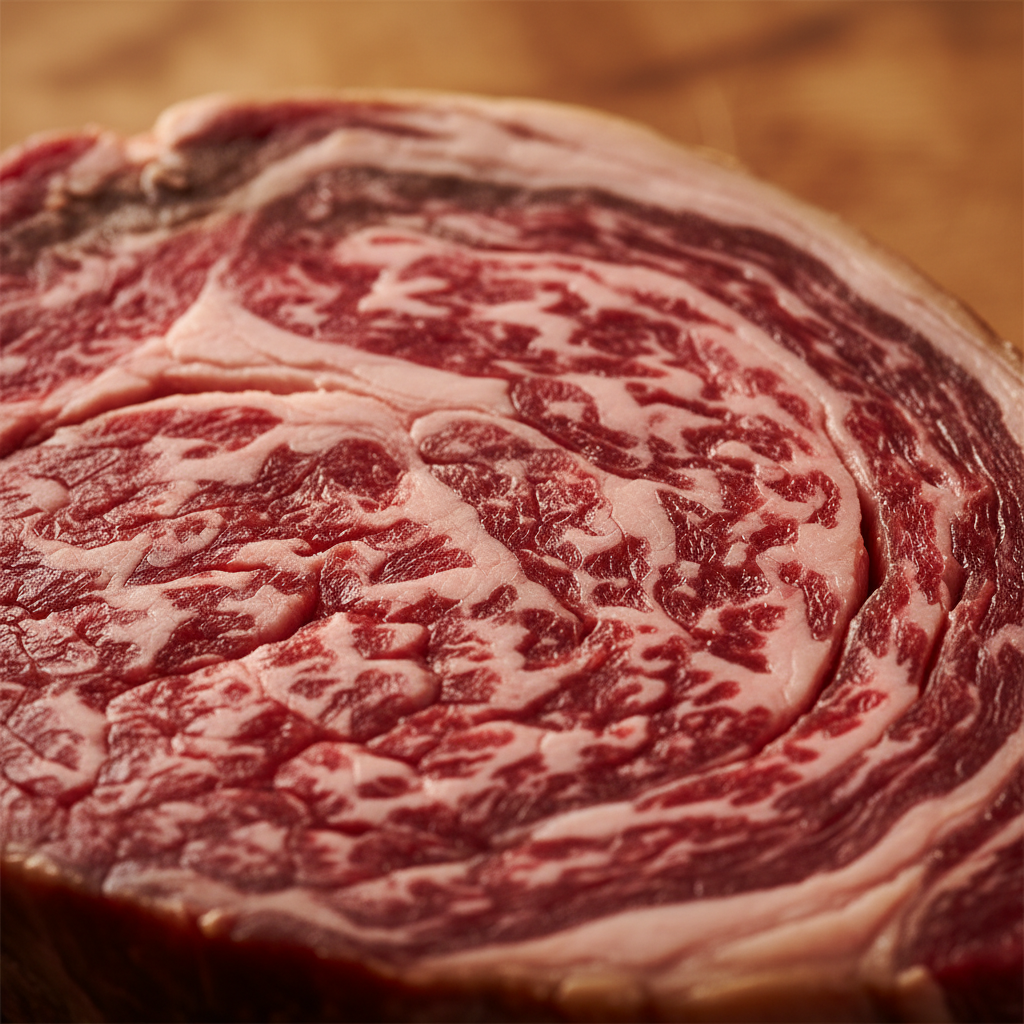
Before reaching international markets, US beef must undergo stringent certification processes. The USDA Organic certification is a gold standard that assures consumers the beef is free from synthetic additives and hormones. Additionally, Global Animal Partnership (GAP) certification ensures high standards of animal welfare.
These certifications not only bolster consumer confidence but also open doors to premium markets across Asia, where quality assurance is paramount.
Overcoming Logistical Challenges
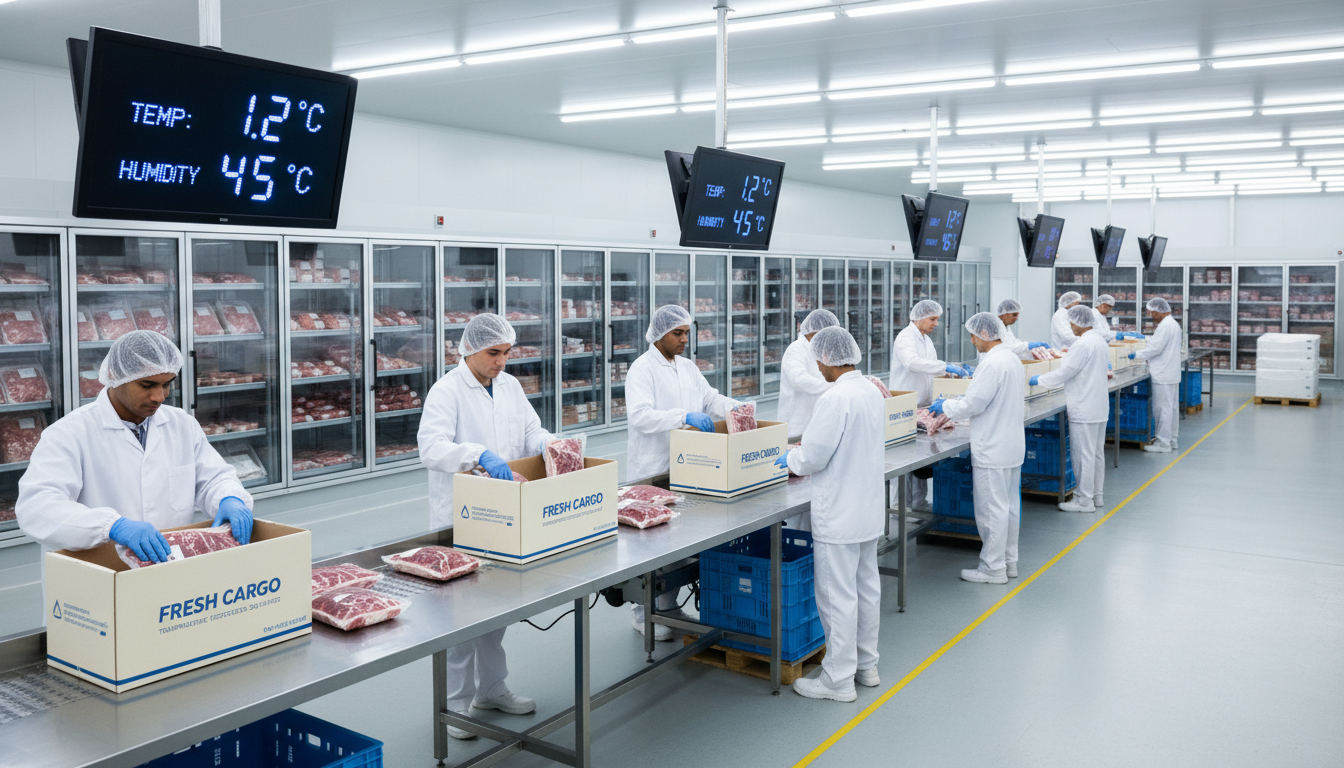
Transporting beef from the US to Asia involves overcoming several logistical hurdles. Maintaining the cold chain is critical to preserving the meat's quality during transit. Advances in packaging and shipping technologies have made it possible to deliver fresh, organic beef to Asian markets efficiently.
Partnerships with experienced logistics companies are crucial. These partnerships ensure compliance with international regulations and smooth customs clearance, facilitating a seamless journey from American farms to Asian dining tables.
The Growing Demand in Asian Markets
As Asian consumers become more health-conscious, the demand for organic and sustainable beef is on the rise. Countries like Japan, South Korea, and China are leading the charge, with a growing segment of the population willing to pay a premium for quality beef.
This demand is driven by an increased awareness of food safety, nutritional benefits, and a desire to support environmentally friendly practices. US beef producers are capitalizing on this trend by promoting the unique qualities of their products, such as superior taste and ethical production methods.
The Future of Organic Beef in Asia
The future looks promising for organic and sustainable US beef in Asia. As awareness and demand continue to grow, US producers are poised to expand their market share. Ongoing education and marketing efforts will play a pivotal role in sustaining this momentum.
Innovations in sustainable farming and transportation will further strengthen the supply chain, ensuring that high-quality, organic US beef remains a staple in Asian kitchens for years to come.
By embracing this journey, US beef producers not only contribute to global food sustainability but also reinforce the importance of ethical and environmentally responsible farming practices.