
The Benefits of Importing US Grass-Fed Beef into Asia
OP
Understanding the Appeal of US Grass-Fed Beef
In recent years, the global demand for high-quality beef has surged, with a particular interest in grass-fed options. US grass-fed beef has gained significant attention in Asia due to its superior taste, nutritional benefits, and sustainable production methods. Importing this premium product offers numerous advantages to Asian markets, catering to health-conscious consumers and discerning palates.
Superior Nutritional Profile
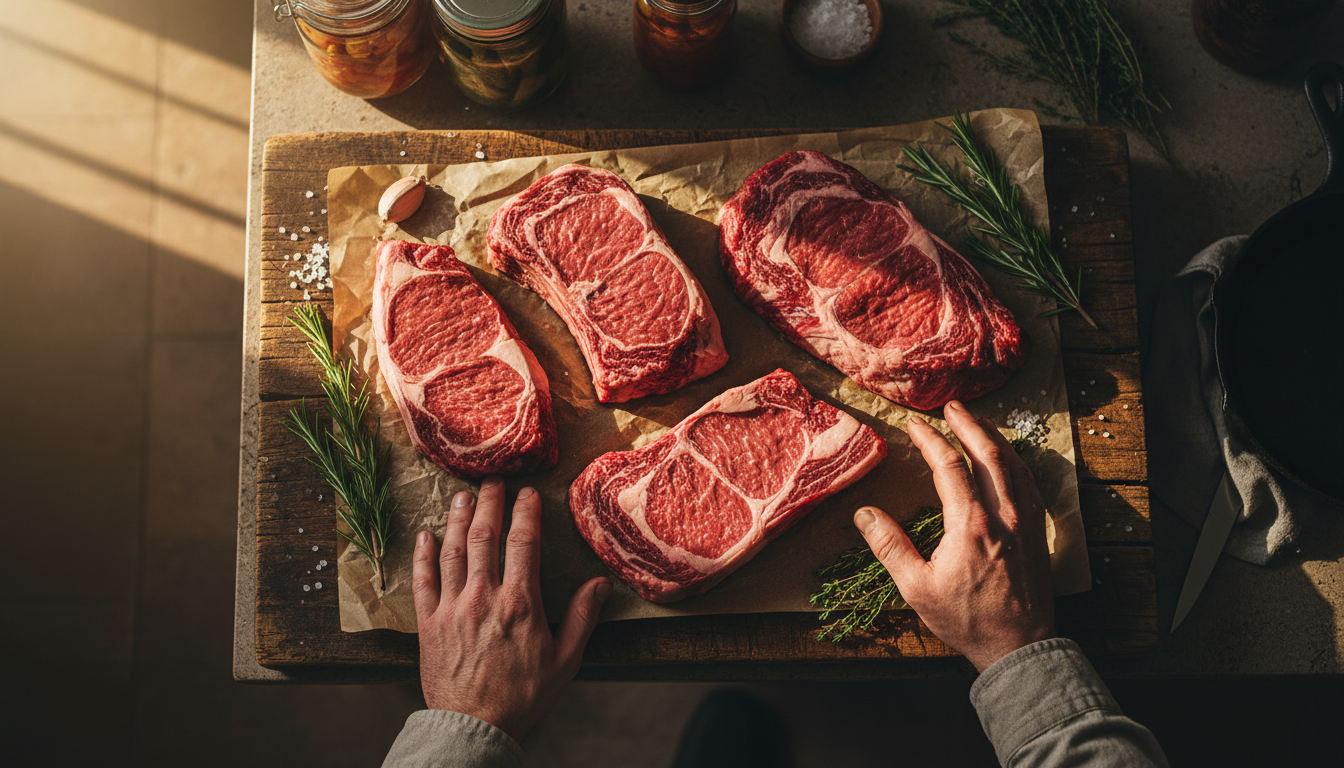
One of the primary reasons for the increasing popularity of US grass-fed beef is its exceptional nutritional profile. Compared to grain-fed beef, grass-fed beef is richer in omega-3 fatty acids, which are essential for heart health. It also contains higher levels of conjugated linoleic acid (CLA), which has been linked to various health benefits, including reduced body fat and improved immune function.
Additionally, grass-fed beef is a great source of vitamins such as vitamin E and beta-carotene. These nutrients contribute to overall well-being and are especially appealing to health-conscious consumers looking for natural food sources.
Ethical and Sustainable Farming Practices
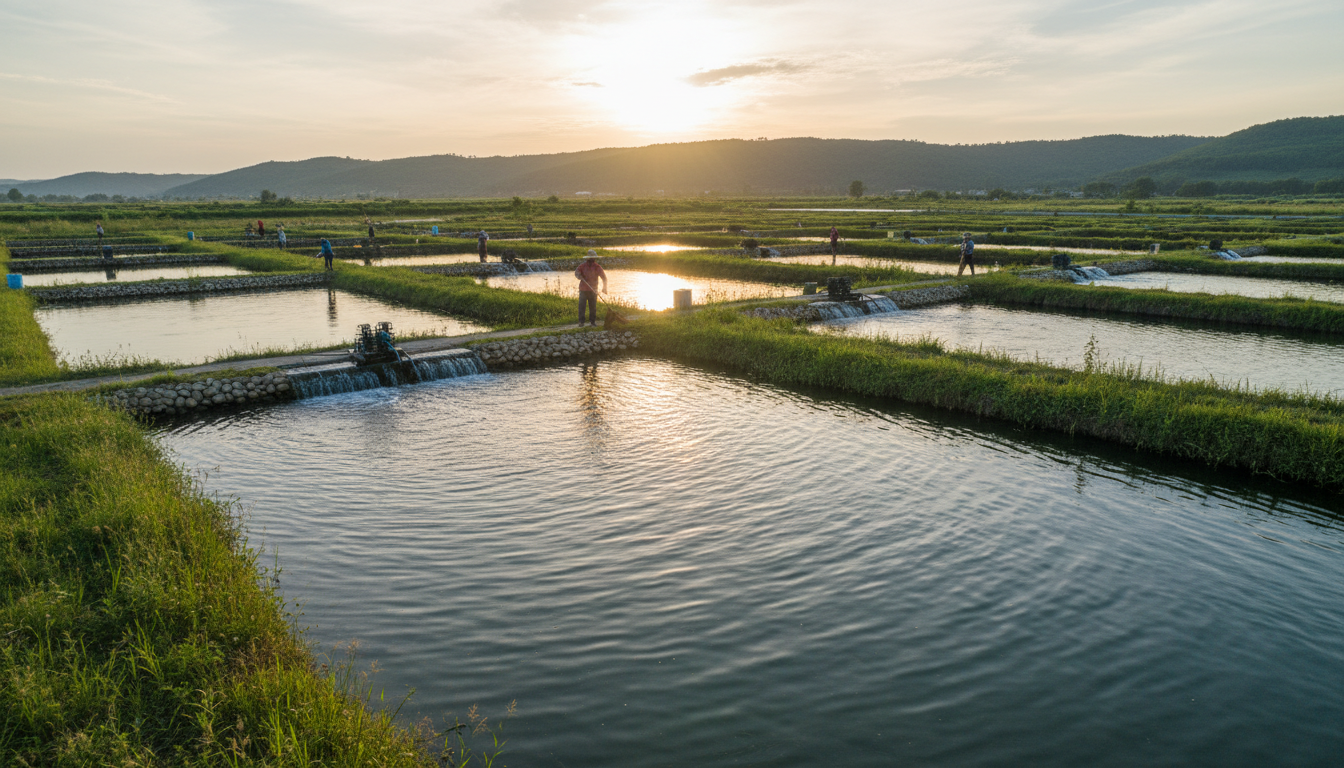
US grass-fed beef is often produced using ethical and sustainable farming practices. Cattle are allowed to graze freely on open pastures, which not only enhances their quality of life but also promotes environmental sustainability. This method of farming reduces the carbon footprint and helps preserve biodiversity.
By importing US grass-fed beef, Asian markets can support these sustainable practices, aligning with global efforts to promote environmentally friendly and ethical food production.
Enhanced Flavor and Quality
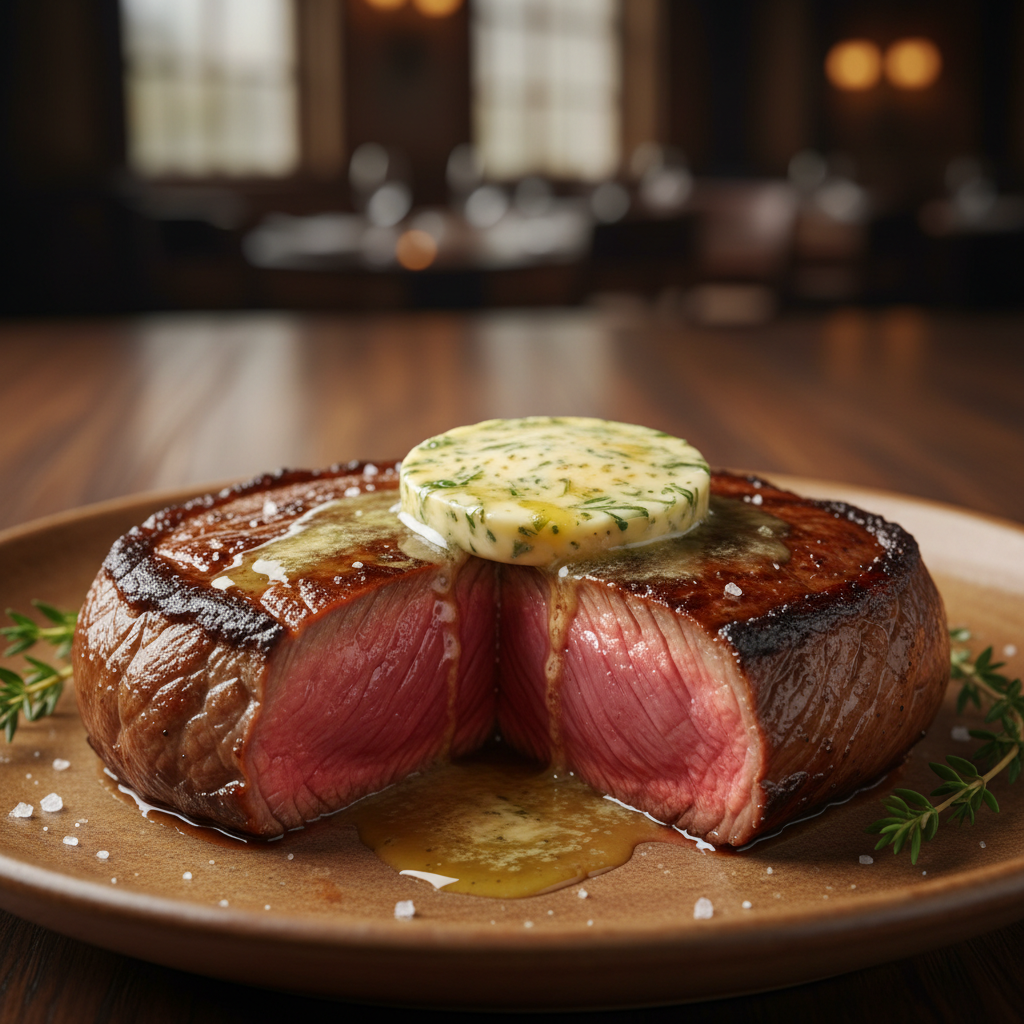
The flavor profile of US grass-fed beef is another compelling reason for its importation. The meat is often described as more robust and complex compared to its grain-fed counterparts. This distinct taste comes from the diverse diet of grasses and forage available to the cattle, which imparts unique flavors to the meat.
Chefs and food enthusiasts in Asia appreciate this enhanced flavor, which allows for creative culinary applications and gourmet experiences. By offering US grass-fed beef, restaurants and retailers can attract a clientele interested in premium dining options.
Meeting Consumer Demands
The growing middle class in many Asian countries has led to increased demand for high-quality food products. Consumers are more informed and selective about their food choices, seeking products that offer both health benefits and superior taste. US grass-fed beef meets these criteria, making it an attractive option for importers and distributors.
Moreover, the trend towards clean eating and organic products has bolstered the demand for grass-fed beef. This aligns with consumer preferences for natural and minimally processed foods, making it a strategic addition to any food business's portfolio.
Economic Opportunities and Market Growth
Importing US grass-fed beef into Asia opens up significant economic opportunities. It allows for the diversification of product offerings, catering to niche markets and providing a competitive edge in the food industry. With the right marketing strategies, businesses can capitalize on the growing interest in premium beef products.
Furthermore, establishing strong trade relationships with US beef producers can lead to long-term benefits, including potential collaborations and exclusive distribution agreements.

In conclusion, the benefits of importing US grass-fed beef into Asia are multifaceted, encompassing nutritional, ethical, and economic advantages. As the demand for quality food products continues to rise, grass-fed beef stands out as a valuable addition to the Asian market, promising growth and innovation in the culinary landscape.