
Navigating Export Regulations: Tips for Local Meat Exporters in Sheridan County
OP
Exporting meat products from Sheridan County can be a lucrative venture, but it's essential to navigate the complex web of export regulations effectively. Understanding these regulations can help ensure compliance and smooth operations for local meat exporters.
Understanding Export Regulations
Before diving into the export market, it's crucial to have a clear understanding of the regulations that govern meat exports. These regulations are designed to ensure that food products meet safety and quality standards. Knowing these rules can help avoid fines and delays.
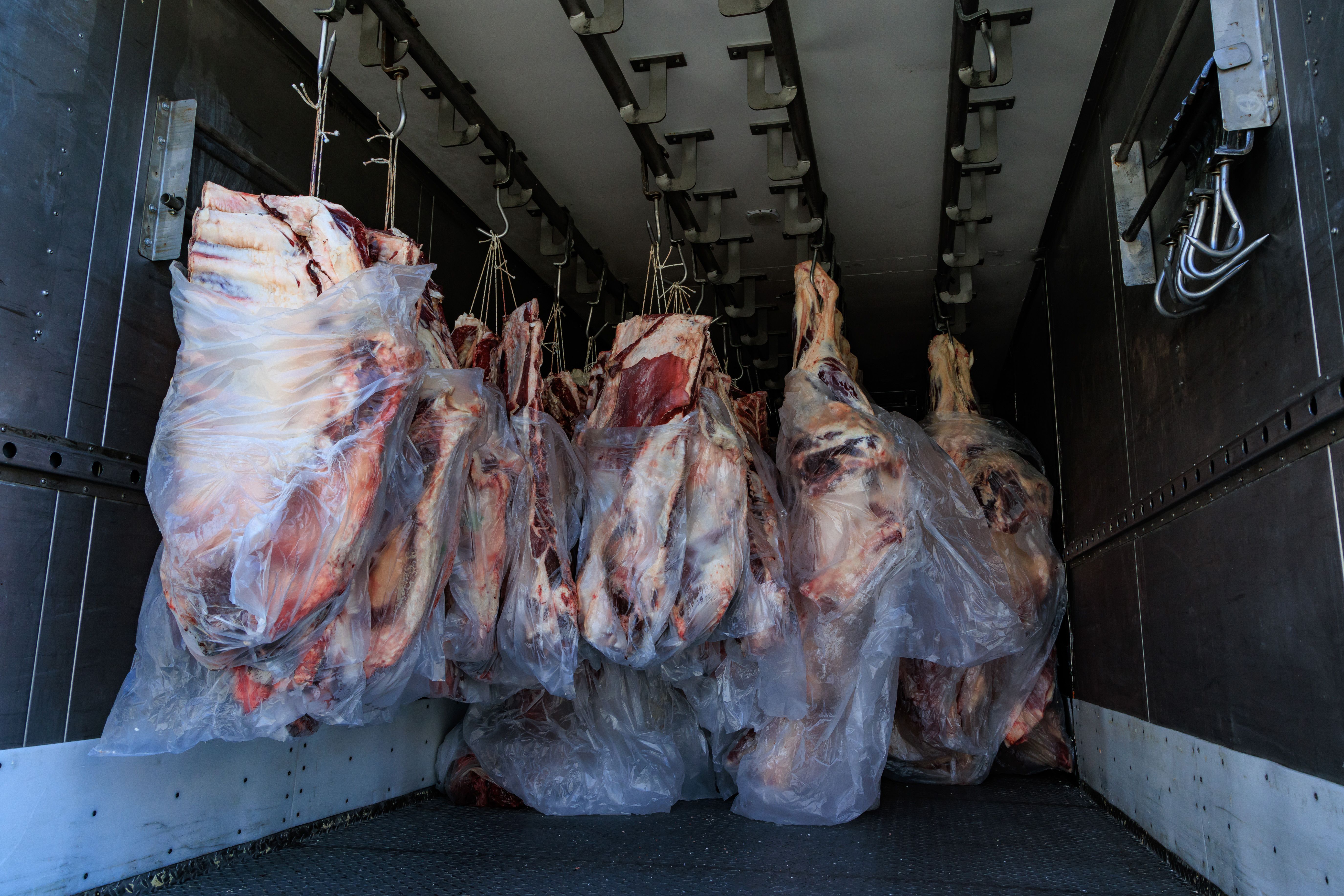
Key Regulatory Bodies
Several regulatory bodies oversee meat export. The U.S. Department of Agriculture (USDA) plays a significant role, particularly through its Food Safety and Inspection Service (FSIS). Meanwhile, the Export-Import Bank of the U.S. (EXIM) provides financial assistance and advice to exporters.
It's also essential to be aware of international regulations that may apply depending on your target markets. The European Union (EU) and other countries have their own sets of standards that must be met.
Preparing for the Export Process
Once you are familiar with the regulations, the next step is preparation. A well-prepared exporter will have a detailed plan outlining the entire process from production to shipment. This plan should include logistics, documentation, and quality control measures.

Essential Documentation
Documentation is a critical part of the export process. Key documents include the commercial invoice, packing list, and export license. These documents must be accurate and complete to avoid any issues at customs.
- Commercial Invoice: Details the transaction between buyer and seller.
- Packing List: Specifies the contents of each shipment.
- Export License: Authorizes the export of specific products.
Ensuring Compliance
Compliance is non-negotiable in the export business. Regular audits and inspections ensure that your products meet all necessary standards. Maintaining open communication with regulatory bodies can help stay up-to-date with any changes in legislation.

Quality Control
Implementing a robust quality control system is vital. This includes regular checks throughout the production process to ensure that all products meet required standards. Quality control not only ensures compliance but also enhances your reputation in international markets.
- Conduct regular training for staff on quality standards.
- Use technology to monitor and maintain product quality.
- Stay informed about changes in international quality requirements.
Leveraging Support and Resources
Various resources are available to support local meat exporters. Organizations such as the Small Business Administration (SBA) offer guidance and funding opportunities. Additionally, local trade associations can provide valuable networking opportunities and industry insights.
By understanding and adhering to export regulations, local meat exporters in Sheridan County can effectively expand their markets and boost their businesses. Proper preparation, compliance, and leveraging available resources are key steps to success in the international arena.