
Mastering Meat Packaging for Export: Best Practices and Innovations
OP
In the competitive world of meat exports, mastering packaging is crucial for maintaining quality and ensuring compliance with international standards. Innovations in packaging technologies have revolutionized the industry, enabling exporters to deliver fresh and safe products to global markets. Understanding the best practices in meat packaging can significantly enhance the export process.

Understanding the Importance of Packaging
Packaging plays a vital role in preserving the quality and safety of meat products during transit. It protects the meat from contamination, physical damage, and spoilage. Moreover, proper packaging helps in maintaining the nutritional value and taste of the meat. Exporters need to consider factors such as material, design, and technology to ensure the best results.
Material Selection
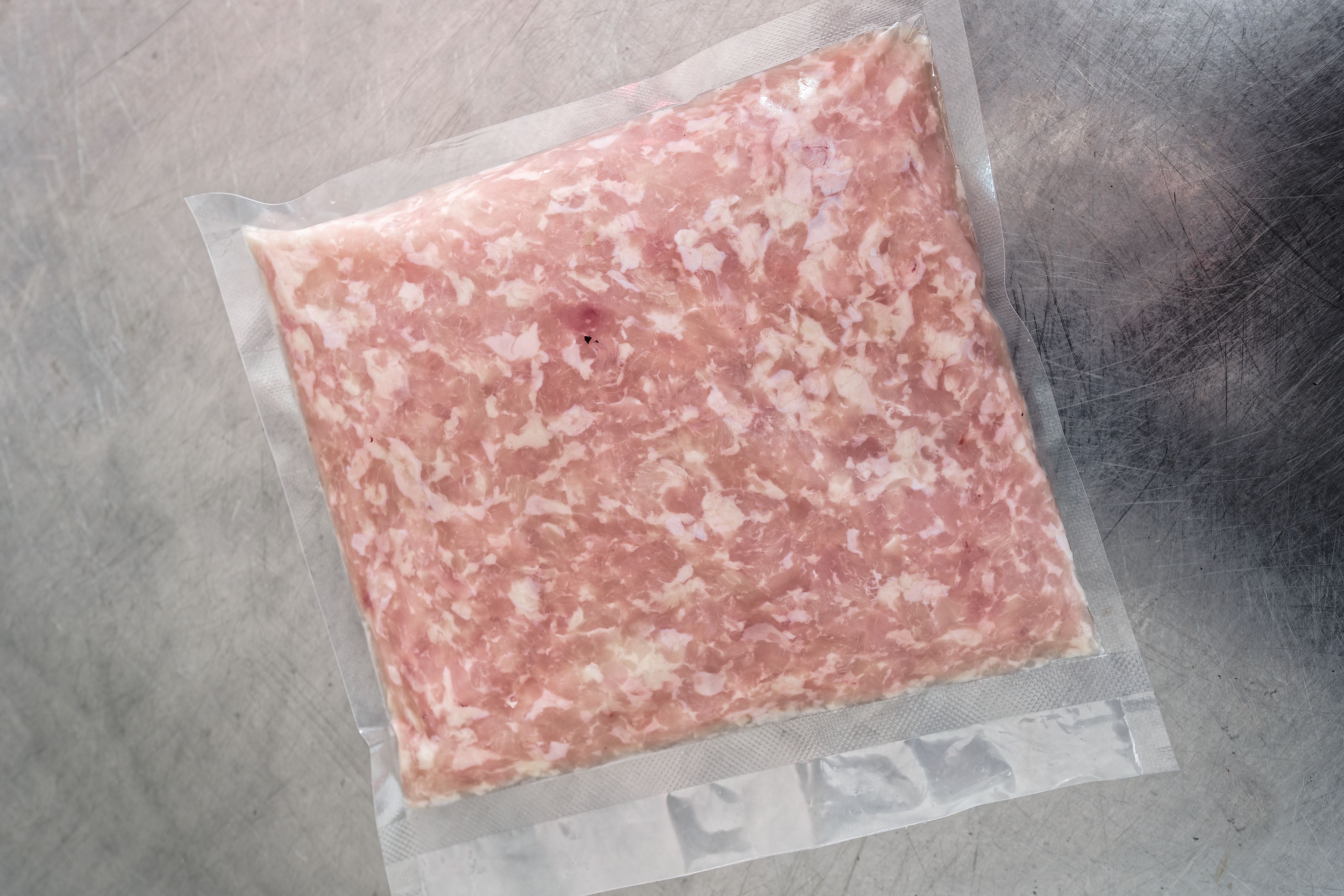
The choice of packaging material is crucial for protecting meat products. Common materials include vacuum-sealed plastic, modified atmosphere packaging (MAP), and eco-friendly options. Vacuum-sealing removes air, reducing oxidation and spoilage, while MAP uses a mix of gases to extend shelf life. Eco-friendly materials are gaining popularity as sustainability becomes a priority for consumers and regulators alike.
Innovative Packaging Technologies
Advancements in technology have introduced smart packaging solutions that enhance meat preservation. These innovations include antimicrobial packaging, which incorporates substances that inhibit bacterial growth, and active packaging, which interacts with the product to improve shelf life. Such technologies not only ensure product safety but also provide valuable data on freshness and quality.
Best Practices for Meat Packaging
Implementing best practices in meat packaging can streamline the export process and improve product quality. Here are some key practices to consider:
- Compliance with Regulations: Ensure that packaging meets international standards and regulations for food safety and labeling.
- Temperature Control: Use packaging that supports consistent temperature control to maintain product freshness during transit.
- Labeling: Provide clear labeling with information about the product, including expiration dates and storage instructions.
Eco-Friendly Packaging Solutions
With growing environmental concerns, adopting eco-friendly packaging solutions is becoming essential. Biodegradable and recyclable materials not only reduce waste but also appeal to environmentally conscious consumers. Many companies are investing in research to develop sustainable packaging options that do not compromise on quality or safety.
Future Trends in Meat Packaging
The future of meat packaging is geared towards greater innovation and sustainability. Trends such as smart packaging with sensors for real-time monitoring and personalized packaging solutions tailored to specific market needs are on the rise. These advancements promise to enhance the efficiency and effectiveness of meat exports.
In conclusion, mastering meat packaging for export involves a combination of traditional best practices and embracing new innovations. By focusing on quality materials, cutting-edge technologies, and sustainability, exporters can ensure that they deliver superior products to global markets, meeting both consumer expectations and regulatory requirements.