
Key Challenges and Solutions in Exporting Beef to Asia
OP
Understanding Market Regulations
One of the primary challenges in exporting beef to Asia is navigating the complex regulatory environment. Each country has its own set of rules and standards that exporters must adhere to. These regulations often cover everything from health and safety standards to labeling requirements, making compliance a daunting task for many businesses.
To address these challenges, exporters should invest in thorough research and possibly engage local experts or consultants who understand the specific requirements of each target market. Staying updated on any changes in regulations is also crucial to avoid disruptions in trade.

Logistics and Supply Chain Management
Efficient logistics and supply chain management are critical when exporting beef to Asia. The geographical distance can lead to increased shipping times and costs, which can impact the freshness and quality of the product upon arrival.
One solution is to partner with reliable logistics companies that specialize in transporting perishable goods. Additionally, implementing advanced tracking systems can help monitor shipments in real-time, ensuring that any issues are promptly addressed.
Cultural Preferences and Consumer Demand
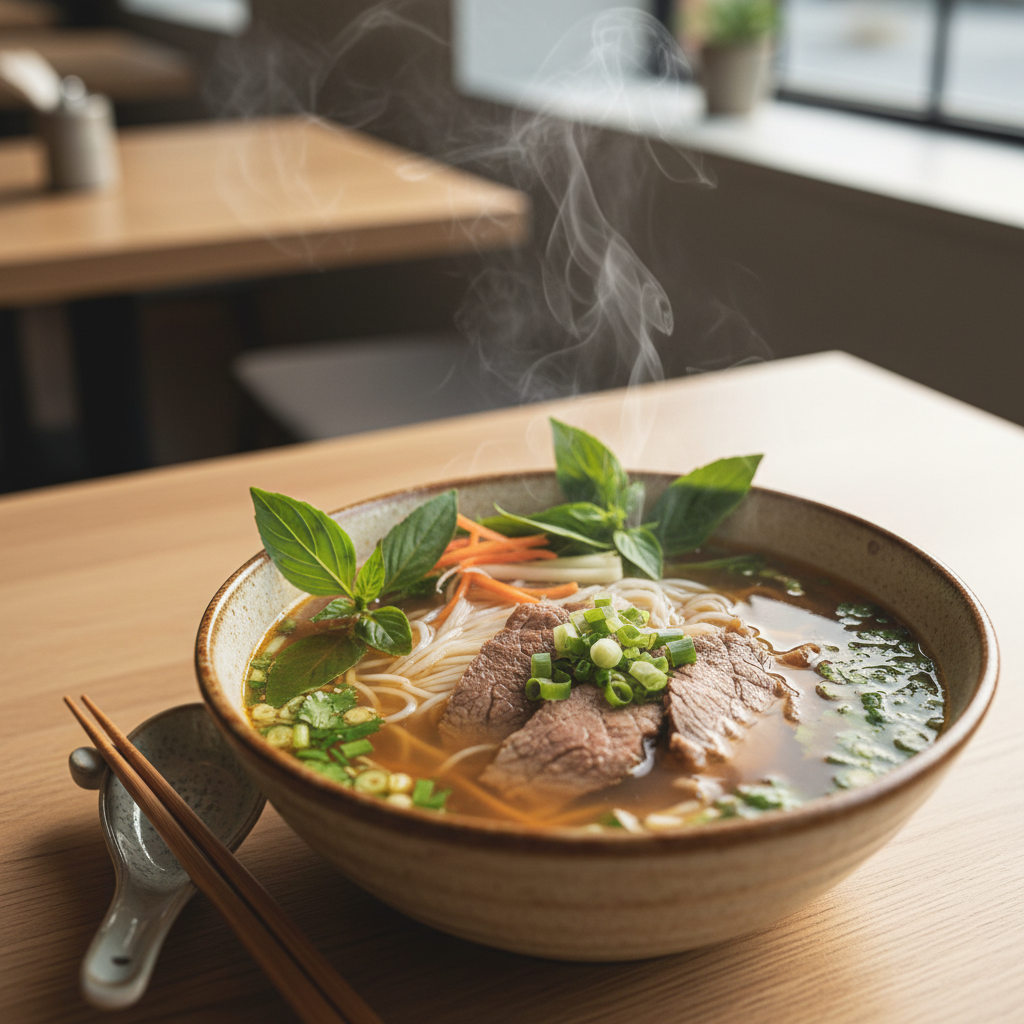
Understanding the diverse cultural preferences and consumer demands across Asian markets is essential for success. Each country may have different tastes, cooking methods, and preferences for beef cuts, which can influence purchasing decisions.
Conducting market research to understand these preferences can help tailor products to meet local demands. Offering a variety of cuts and packaging options can also appeal to a broader audience, enhancing market penetration.
Building Strong Trade Relationships
Establishing strong relationships with local distributors and retailers is crucial for accessing Asian markets. These partnerships can provide valuable insights into market dynamics and consumer behavior, helping exporters adapt their strategies accordingly.
Participating in trade shows and industry events can facilitate networking and relationship-building. Additionally, maintaining consistent communication and demonstrating commitment to quality can strengthen these partnerships over time.
Overcoming Tariffs and Trade Barriers
Tariffs and trade barriers can significantly impact the profitability of exporting beef to Asia. These barriers can vary widely across countries and can change with shifting political and economic landscapes.
To mitigate these challenges, exporters can explore free trade agreements and partnerships that may offer reduced tariffs or other benefits. Staying informed about trade policies and engaging with trade associations can also provide strategic advantages.

Ensuring Quality and Safety Standards
Maintaining high quality and safety standards is non-negotiable when exporting beef to Asia. Consumers and regulatory bodies alike demand stringent adherence to food safety protocols to ensure the health and well-being of consumers.
Implementing robust quality control measures and obtaining necessary certifications can demonstrate a commitment to excellence. Regular audits and inspections can further ensure that standards are consistently met, building trust with consumers and partners.