
How to Successfully Export Beef to Asia: A Comprehensive Guide
OP
Exporting beef to Asia presents a lucrative opportunity for businesses looking to expand their market. However, navigating the complexities of international trade requires careful planning and execution. This guide outlines the essential steps to successfully export beef to Asian markets.
Understanding Market Demand
Before diving into exports, it's crucial to understand the specific demands of Asian markets. Each country has its own preferences and regulations. Conduct thorough market research to identify which cuts of beef are most popular and to understand consumer behavior. This will help tailor your offerings to meet local tastes and requirements.
Identifying Target Markets
Asia is a diverse continent with varying economic conditions and consumer preferences. Focus on countries with growing demand for beef, such as China, Japan, and South Korea. Analyzing import data and consumer trends will help pinpoint potential markets that align with your business goals.

Navigating Trade Regulations
Trade regulations can be a significant hurdle in the export process. Each country has its own set of rules regarding meat imports, including sanitary and phytosanitary measures. Ensuring compliance with these regulations is critical to avoid delays and penalties.
Certification and Documentation
Proper documentation is essential for a smooth export process. Obtain necessary certifications such as health certificates, export permits, and product labeling approvals. Engage with government agencies to ensure all paperwork meets the importing country's standards.
Building Strong Supply Chains
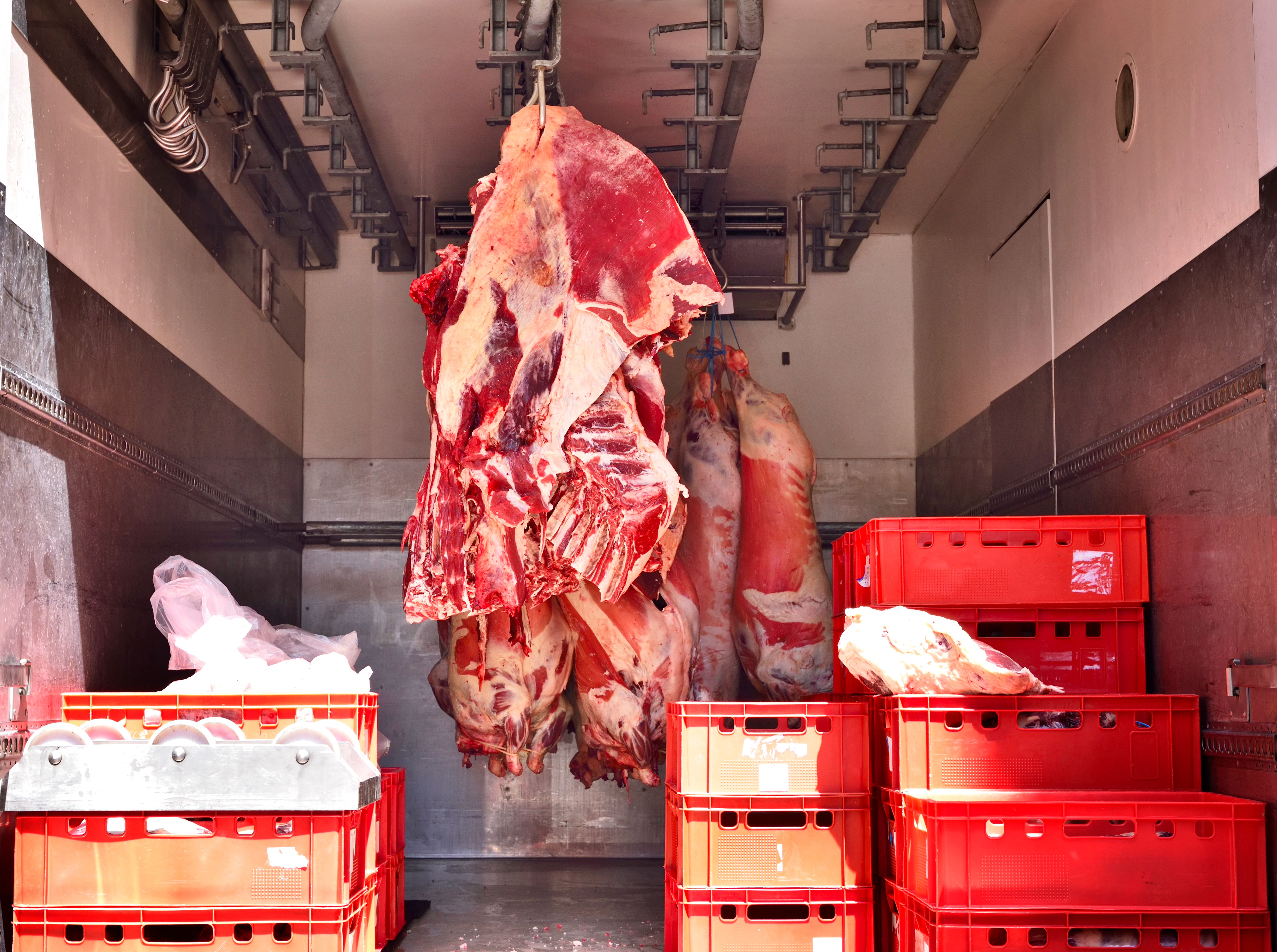
A reliable supply chain is vital for maintaining product quality and meeting delivery timelines. Partner with logistics providers experienced in handling perishable goods to ensure your beef reaches its destination in optimal condition.

Packaging and Shipping
Proper packaging is crucial for preserving beef quality during transit. Use high-quality materials that maintain the correct temperature and protect against contamination. Choose shipping methods that balance speed and cost, considering the distance and storage requirements.
Marketing and Branding Strategies
Once the logistics are in place, focus on marketing and branding to establish your presence in Asian markets. Highlight the quality and safety of your beef products through targeted advertising campaigns and partnerships with local distributors.
Building Relationships
Establishing strong relationships with local partners can enhance your brand's reputation and expand your reach. Engage with importers, retailers, and restaurants to build trust and foster long-term business relationships.

Successfully exporting beef to Asia requires a strategic approach that combines market research, regulatory compliance, efficient logistics, and effective marketing. By addressing these key areas, businesses can tap into the growing demand for beef in Asian markets and achieve sustainable growth.