
How to Navigate Festive Season Beef Imports from the US
OP
Understanding Beef Import Regulations
The festive season is a time of celebration and feasting, and for many, this means indulging in delicious beef dishes. Importing beef from the US can enhance your menu with high-quality cuts, but navigating the regulations can be tricky. Understanding the import requirements is crucial to ensure a smooth process.
First, it's important to familiarize yourself with your country's import regulations. These rules can vary widely depending on your location, so consulting with a local customs expert can be beneficial. Ensuring compliance can prevent delays and additional costs.
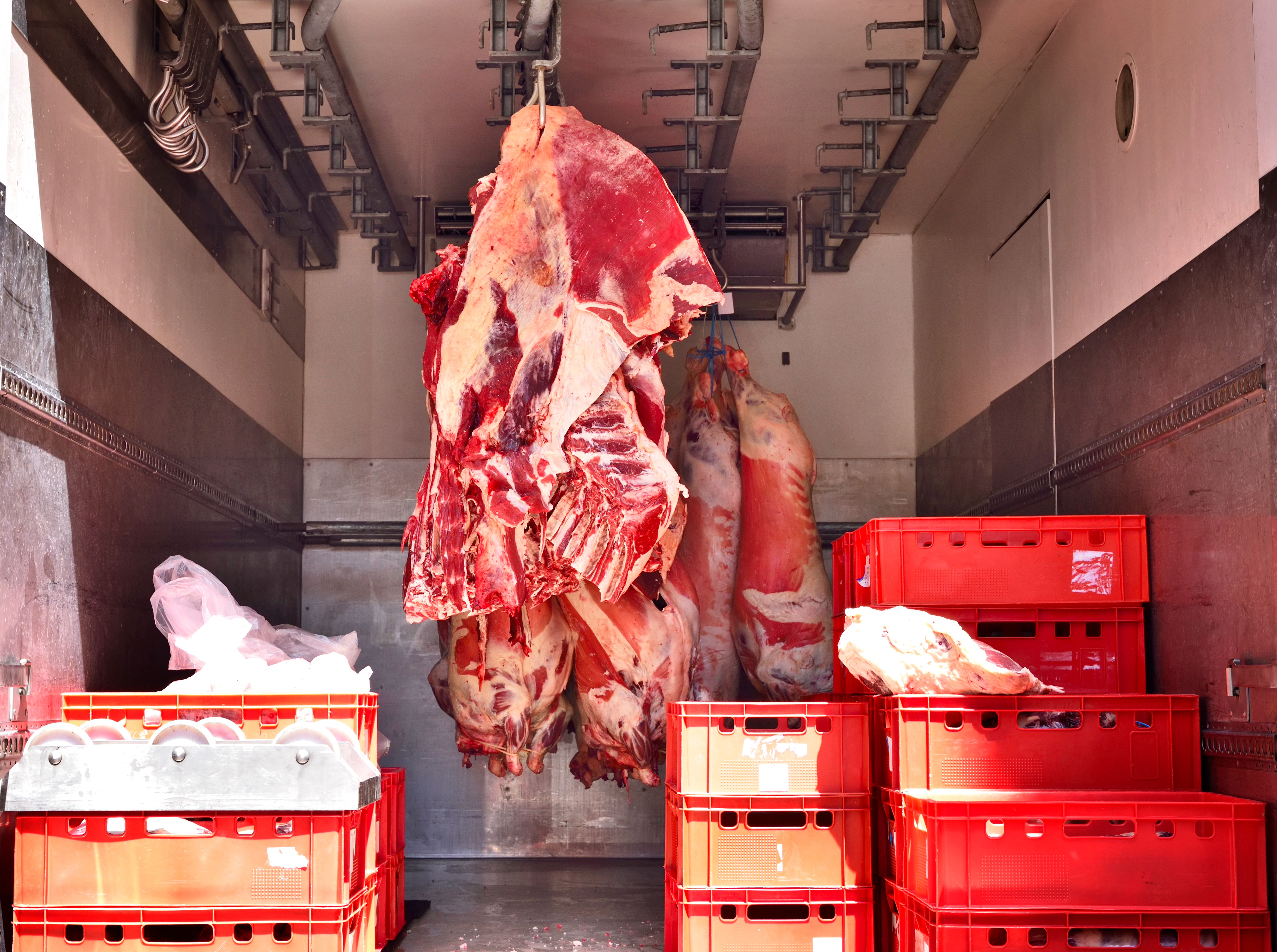
Additionally, make sure to verify that the beef you are importing meets the health and safety standards set by your country's food safety authorities. This often involves checking for certifications like USDA approval, which guarantees that the beef has passed stringent quality checks.
Choosing the Right Beef Cuts
Selecting the right cuts of beef is essential for crafting memorable festive dishes. The US offers a wide variety of beef cuts, from ribeye to tenderloin, each with its own unique flavor profile and cooking requirements.
Consider the dishes you plan to prepare and choose cuts that complement the flavors and cooking methods. For instance, ribeye is ideal for grilling, while brisket is perfect for slow cooking. Quality and freshness should always be a top priority.
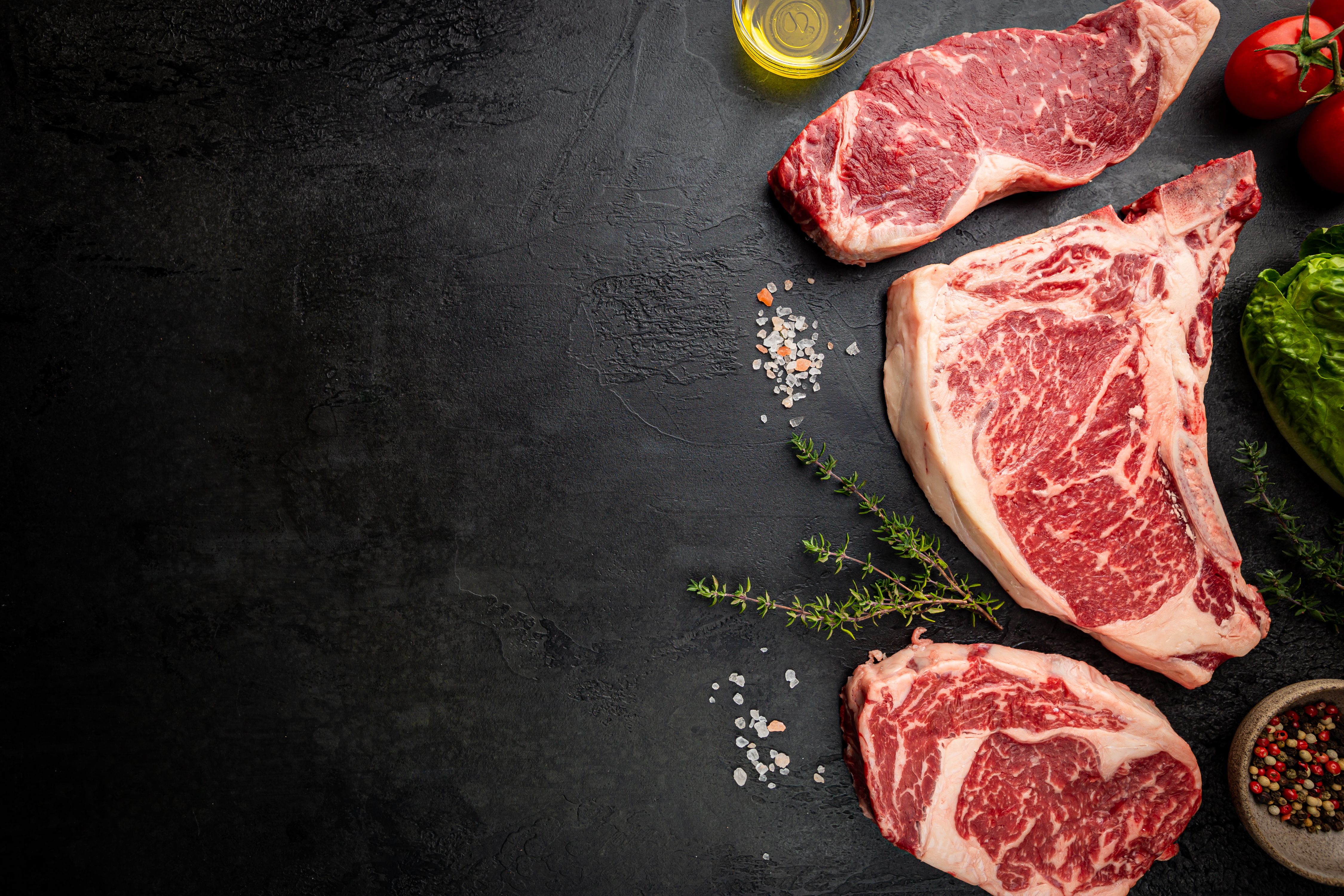
To make informed decisions, consult with your supplier about the different options available. They can offer insights into which cuts might be best suited for your needs and provide recommendations based on your culinary goals.
Working with Reliable Suppliers
Finding a reliable supplier is key to a successful beef import process. Look for suppliers who have a proven track record and are known for their high-quality products. It's important to establish a strong relationship built on trust and transparency.
- Check supplier reviews and ratings.
- Request samples before committing to large orders.
- Ensure they comply with all legal standards.

Communicate clearly with your supplier about your requirements, and don't hesitate to ask questions. An experienced supplier will guide you through the process and help you avoid common pitfalls.
Managing Logistics and Shipping
Logistics play a crucial role in importing beef, especially during the busy festive season. Proper planning can save you from potential headaches. Work closely with your logistics partner to ensure timely and efficient delivery.
Consider factors such as shipping times, storage conditions, and customs clearance. Proper documentation is vital, so ensure all paperwork is in order before shipping. This will streamline the process and help avoid unnecessary delays.

Finally, keep an eye on shipping costs and try to negotiate favorable terms with your logistics provider. Bulk orders might offer cost savings, but be mindful of storage and handling requirements.
Ensuring Quality and Freshness
Once your beef has arrived, it's critical to maintain its quality and freshness. Proper storage conditions, such as temperature control and humidity management, are essential to preserve the beef's taste and texture.
Regularly inspect the beef upon arrival for any signs of spoilage or damage. If any issues arise, address them promptly with your supplier. Maintaining an open line of communication ensures any problems are resolved quickly.

By following these guidelines, you'll be well-prepared to navigate the complexities of importing beef from the US during the festive season. With careful planning and attention to detail, you can offer your guests a truly exceptional dining experience.