
How to Navigate Export Logistics for American Beef: Tips for Success
OP
Understanding the Basics of Export Logistics for American Beef
Exporting American beef involves a complex logistical process that requires a deep understanding of international trade regulations, transportation, and market demands. The key to success is ensuring that the beef reaches its destination in top condition while complying with all legal and health requirements. This process can be daunting, but with the right knowledge and strategies, it can be managed effectively.
Researching Market Requirements
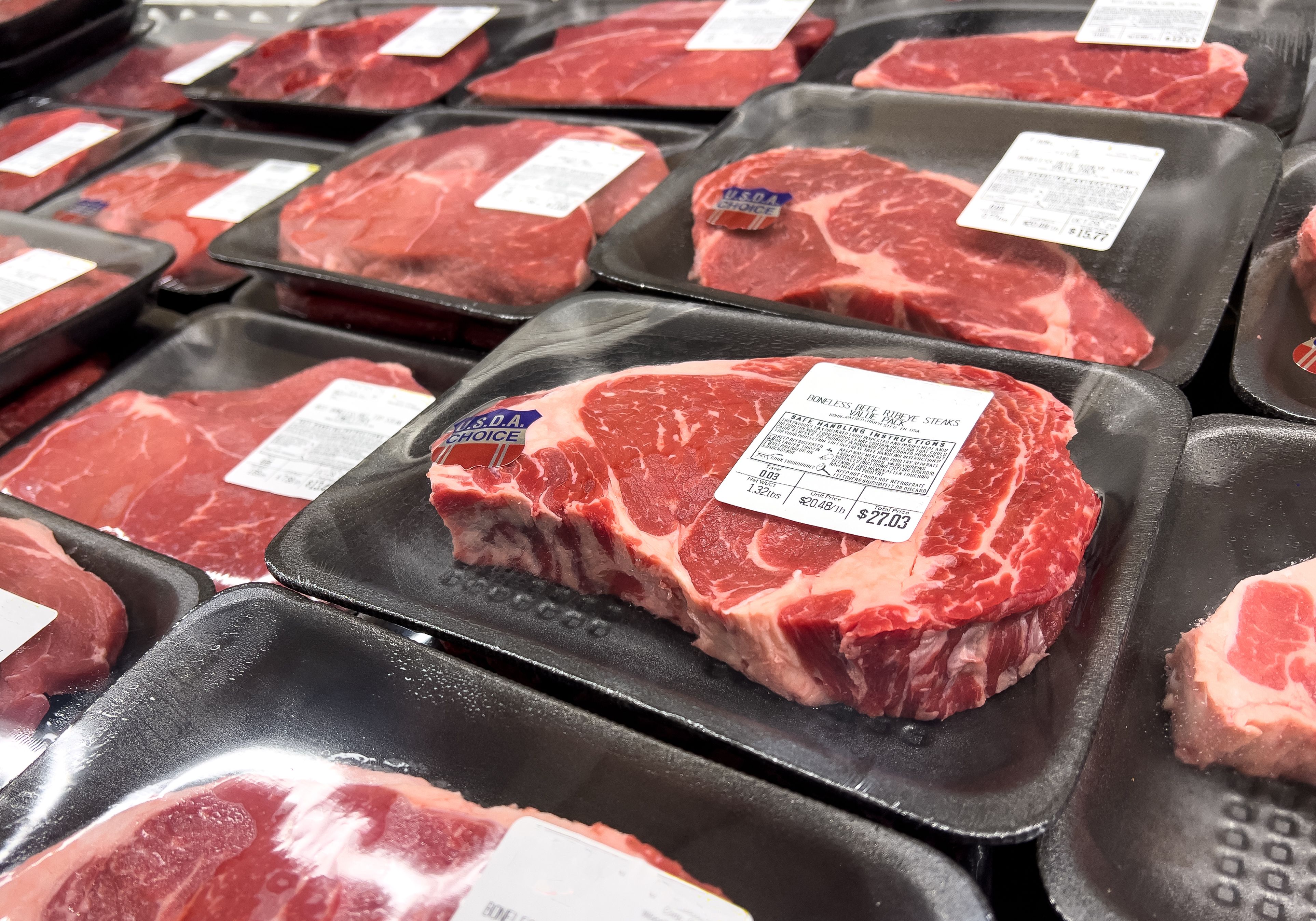
Each country has its own set of regulations and requirements for importing beef. It's crucial to research and understand these specifications thoroughly. Pay attention to tariffs, quotas, and sanitary standards, as these can significantly impact the cost and feasibility of export. Having a detailed understanding of these requirements will help you avoid potential pitfalls and delays.
One effective way to gather this information is to consult with export specialists or industry associations. They can provide insights into current regulations and offer advice on navigating complex trade agreements.
Optimizing Supply Chain Management
Efficient supply chain management is vital for exporting beef. Ensure that your logistics plan includes reliable transportation options and contingency plans for delays or disruptions. Consider working with experienced freight forwarders who specialize in food exports, as they can offer valuable expertise and resources.

Moreover, implementing technology to track shipments can provide real-time updates and help in quickly addressing any issues that arise. This transparency not only enhances efficiency but also builds trust with international partners.
Ensuring Product Quality and Safety
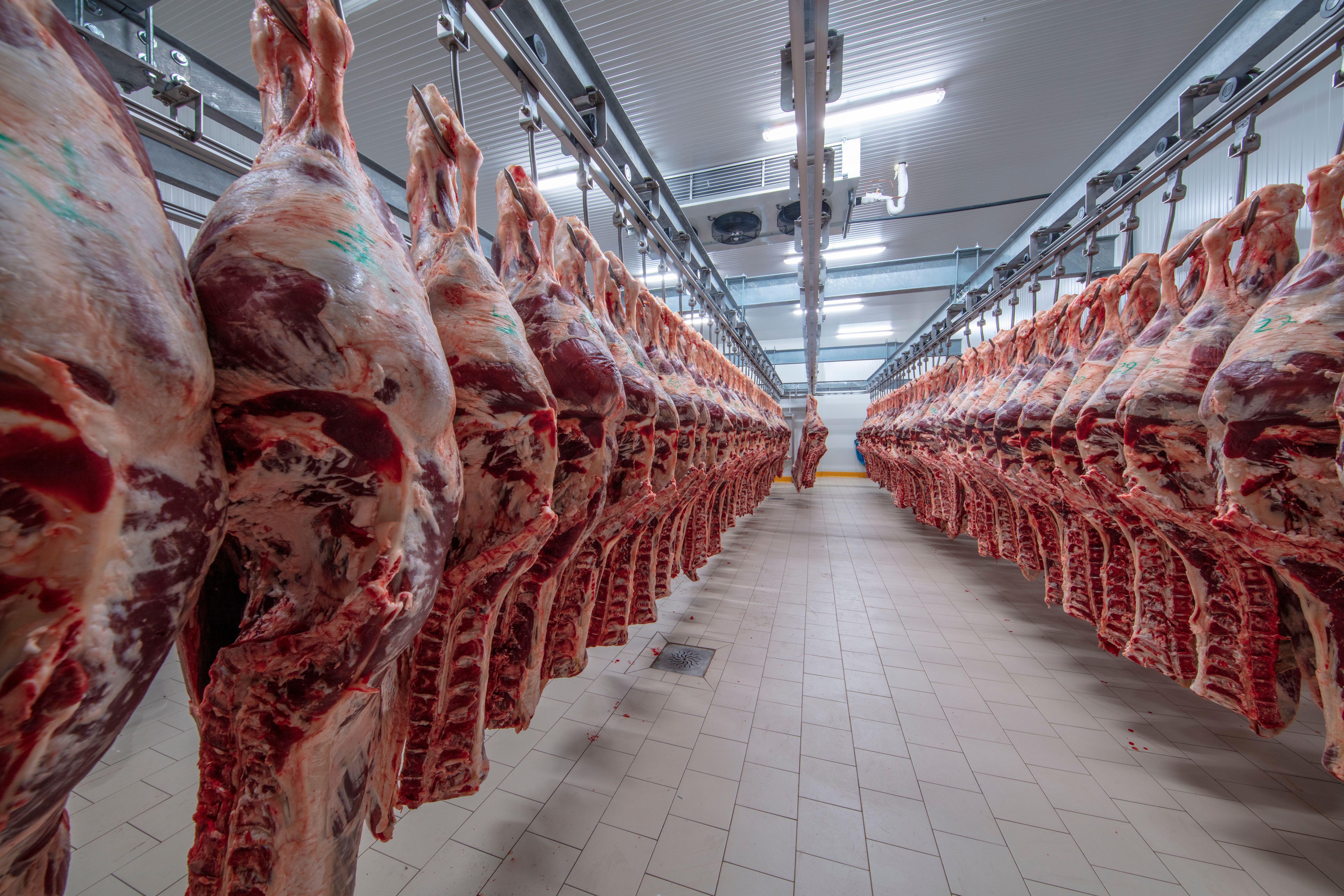
Maintaining high standards of quality and safety is paramount when exporting beef. Invest in proper refrigeration and packaging solutions to ensure the beef remains fresh during transit. Additionally, adhere to all health and safety regulations, including obtaining necessary certifications and conducting regular inspections.
Partnering with third-party quality assurance agencies can add an extra layer of credibility, demonstrating your commitment to providing safe and high-quality products.
Building Strong International Relationships
Establishing and maintaining strong relationships with international clients and partners is essential for long-term success. Effective communication and cultural understanding play a crucial role in building trust and loyalty. Consider hiring bilingual staff or using translation services to bridge language barriers.
Additionally, regular follow-ups and personalized service can enhance customer satisfaction and foster positive relationships. Being proactive in addressing concerns and demonstrating a willingness to adapt can set you apart from competitors.
Leveraging Technology for Efficiency
Incorporating technology into your export logistics can streamline operations and reduce costs. Utilize digital platforms for documentation, tracking, and communication to improve efficiency. Technologies such as blockchain can enhance transparency and traceability, which are increasingly important in international trade.
By staying updated with technological advancements, you can continually refine your processes, ensuring that your export operations remain competitive and effective.
Conclusion
Navigating export logistics for American beef requires meticulous planning and execution. By understanding market requirements, optimizing supply chain management, ensuring product quality, building strong relationships, and leveraging technology, you can successfully expand your business into international markets. Stay informed and adaptable to thrive in the dynamic world of global trade.