
How to Export Beef to Asia: A Comprehensive Guide for US Businesses
OP
Exporting beef to Asia offers a lucrative opportunity for US businesses, given the rising demand for high-quality meat in the region. This comprehensive guide will walk you through the essential steps and considerations to successfully enter this promising market.
Understanding Market Demand
Asia is a diverse continent with varying tastes and preferences when it comes to beef consumption. Countries like China, Japan, and South Korea are leading importers, with a growing middle class that seeks premium beef products. Understanding the specific demand in each country is crucial for tailoring your export strategy.
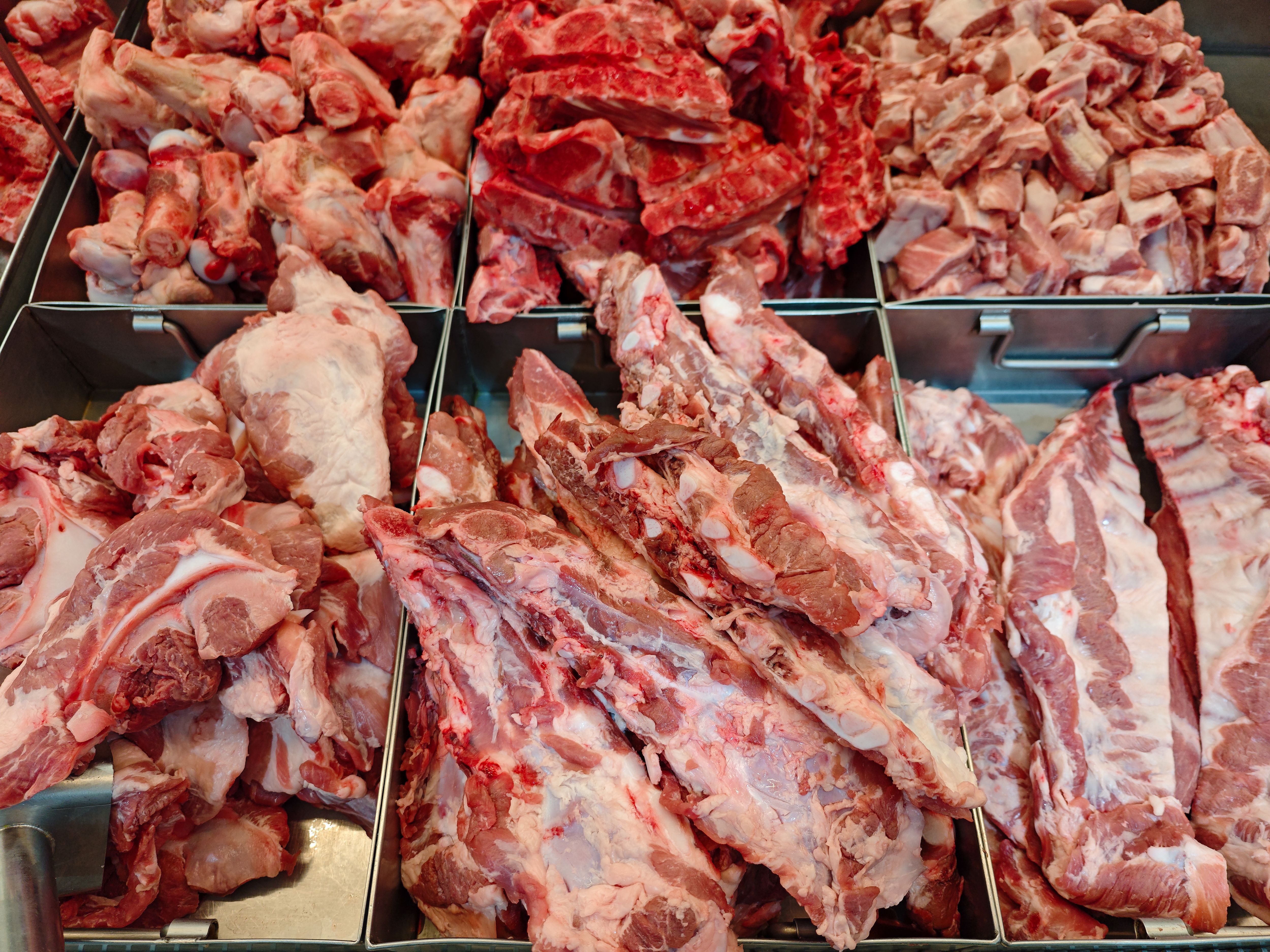
Conduct thorough market research to identify which cuts and grades of beef are most popular. Collaborating with local distributors can provide valuable insights into consumer preferences and help establish a reliable supply chain.
Regulatory Compliance
Before exporting beef to Asia, it's vital to ensure compliance with the regulatory requirements of each target market. This includes understanding import quotas, tariffs, and sanitary regulations. Each country may have different standards, so working with a compliance expert is advisable.
For example, Japan has stringent requirements for beef safety and quality, demanding detailed documentation and certification. Engaging with the USDA and other relevant authorities can streamline the certification process and ensure adherence to international standards.

Establishing Distribution Channels
Building effective distribution channels is key to ensuring your beef products reach the intended consumers efficiently. Partnering with local importers and distributors familiar with the market dynamics can help navigate logistical challenges.
Consider setting up strategic partnerships with local retailers and food service providers to enhance your market presence. Exploring e-commerce platforms is also a viable option, as online grocery shopping continues to gain popularity in many Asian countries.

Marketing and Branding Strategies
Crafting a strong marketing and branding strategy is essential to differentiate your beef products in the Asian market. Highlight the quality, safety, and origin of your beef to appeal to discerning consumers. Leveraging social media and digital marketing can effectively reach a broader audience.
Consider collaborating with local influencers or chefs to showcase your beef in popular recipes. This can create a cultural connection and increase brand recognition. Additionally, participating in food expos and trade shows can offer valuable exposure and networking opportunities.

Logistics and Shipping
Efficient logistics and shipping are critical components of a successful export strategy. Ensuring that your beef products are transported under optimal conditions to maintain freshness and quality is paramount. Working with experienced freight forwarders can facilitate smooth customs clearance and timely delivery.
Consider the different shipping options available, such as air freight for faster delivery or sea freight for cost efficiency. Each option has its pros and cons, and the choice may depend on the specific requirements of your target market.
Conclusion
Exporting beef to Asia presents an exciting opportunity for US businesses willing to invest in understanding market dynamics and complying with regulatory standards. By following the steps outlined in this guide, you can position your business for success in this thriving market. With the right strategies in place, the Asian beef market can offer substantial growth potential and profitability for your business.