
How Cargill's Strategies Influence the Asian Meat Market
OP
Introduction to Cargill's Influence
Cargill, a global leader in the food and agriculture industry, has been a pivotal player in shaping the Asian meat market. Through strategic investments and innovative practices, Cargill has contributed significantly to meeting the growing demand for meat in Asia. This blog explores how Cargill's strategies are influencing this dynamic market.
Investment in Local Infrastructure
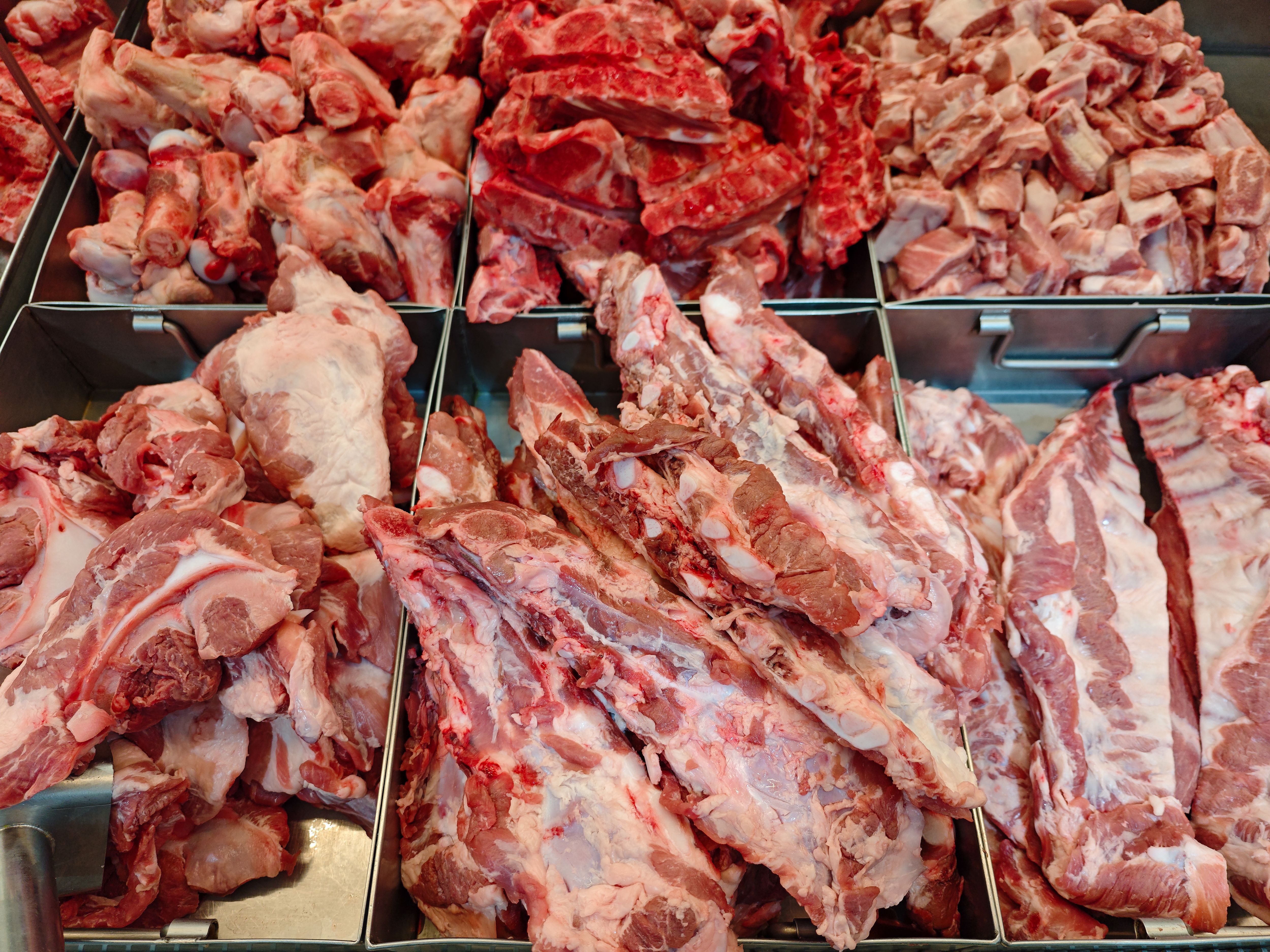
One of Cargill's key strategies in Asia involves investing in local infrastructure. By building processing plants and distribution centers, Cargill enhances its capacity to serve local markets efficiently. This not only boosts the local economy but also ensures a steady supply of high-quality meat products to meet consumer demands.
The establishment of these facilities provides job opportunities and fosters economic growth within the region. Cargill’s commitment to local development is a cornerstone of its strategy, aligning with both business goals and community needs.
Focus on Sustainability
Sustainability is at the heart of Cargill’s operations, and its influence on the Asian meat market is no exception. The company implements sustainable practices to reduce its environmental footprint, focusing on reducing water usage, improving feed efficiency, and minimizing waste. This approach not only benefits the planet but also appeals to environmentally conscious consumers.

Cargill's dedication to sustainability is evident in its partnerships with local farmers and organizations to promote responsible farming practices. This collaboration helps to ensure a sustainable supply chain and reinforces Cargill's reputation as a responsible corporate citizen.
Technological Innovation
Embracing technology is another way Cargill is influencing the Asian meat market. By investing in technological advancements, such as precision farming and data analytics, Cargill optimizes production processes and enhances product quality. These innovations lead to more efficient operations and improved customer satisfaction.
Furthermore, Cargill is exploring the potential of alternative proteins and lab-grown meats, anticipating future trends in consumer preferences. This forward-thinking approach positions Cargill at the forefront of the industry, ready to adapt to evolving market demands.

Understanding Consumer Preferences
Cargill’s success in the Asian meat market is also attributed to its keen understanding of local consumer preferences. Through market research and consumer insights, Cargill tailors its products to meet the specific tastes and cultural preferences of diverse Asian markets. This customer-centric approach ensures a strong connection with its audience and drives brand loyalty.
By offering a wide range of products that cater to different dietary needs and preferences, Cargill strengthens its market presence and continues to expand its customer base across Asia.
Conclusion
Cargill’s strategies in the Asian meat market exemplify how global corporations can successfully integrate into local markets. Through investments in infrastructure, a focus on sustainability, technological innovation, and a deep understanding of consumer preferences, Cargill not only meets the growing demand for meat in Asia but also sets a benchmark for responsible and innovative business practices.
As the market continues to evolve, Cargill’s proactive and strategic approach ensures its position as a leader in the industry, shaping the future of meat consumption in Asia.