
Exploring the Increasing Demand for American Grass-Fed Beef in Asia
OP
The Rise of Grass-Fed Beef
The demand for grass-fed beef has been steadily increasing worldwide, and Asia is no exception. As consumers become more health-conscious and environmentally aware, the appeal of American grass-fed beef has grown significantly. This trend is driven by several factors, including health benefits, sustainability, and changing consumer preferences.
Health Benefits of Grass-Fed Beef
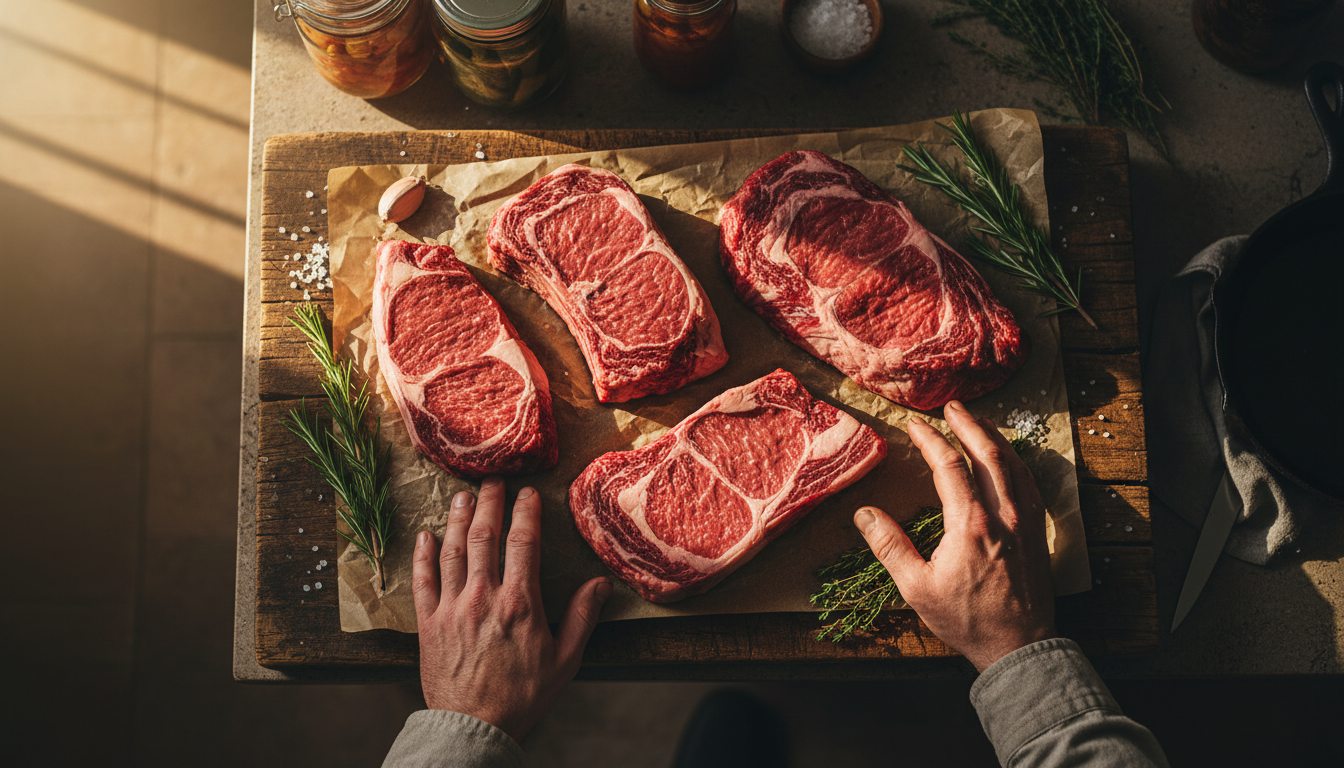
One of the primary reasons for the surge in popularity is the health benefits associated with grass-fed beef. Compared to grain-fed beef, grass-fed options are typically lower in total fat and contain higher levels of beneficial nutrients such as Omega-3 fatty acids and antioxidants like vitamin E. These factors contribute to a healthier dietary choice, attracting consumers who are keen on maintaining a balanced diet.
Furthermore, grass-fed beef is often free from antibiotics and hormones, aligning with the increasing demand for clean and natural food products. This aligns well with the health-conscious consumers in Asia who are becoming more vigilant about the origins and quality of their food.
Sustainability and Environmental Impact
Sustainability is another significant factor fueling the demand for grass-fed beef. Grass-fed cattle are typically raised on pastures, which can have a lower environmental impact compared to intensive grain-fed operations. This method of farming contributes to soil health, biodiversity, and reduced greenhouse gas emissions.
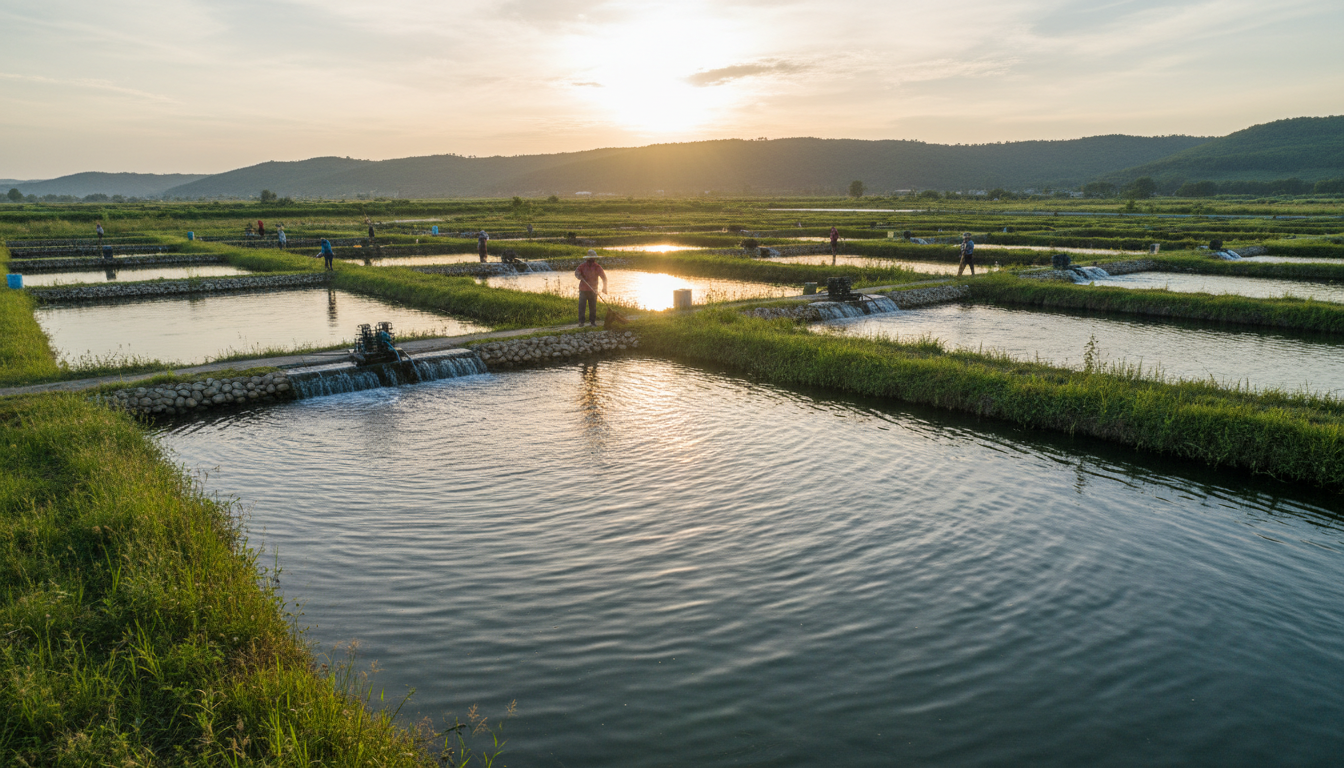
Asian markets are increasingly recognizing these environmental benefits, which align with broader global efforts to combat climate change. As a result, consumers and businesses are more inclined to support sustainable practices, further boosting the demand for American grass-fed beef.
Changing Consumer Preferences
With globalization and the influence of Western culture, Asian consumers are exploring diverse culinary options. American grass-fed beef offers a different flavor profile—often described as richer and more robust—compared to traditional beef. This unique taste is attracting food enthusiasts and chefs looking to offer distinctive dishes.

Market Opportunities and Challenges
The increasing demand presents significant opportunities for American beef producers to expand their market share in Asia. This growth potential is particularly evident in countries like China, Japan, and South Korea, where economic growth and an expanding middle class are driving increased consumption of premium products.
However, challenges such as trade regulations, tariffs, and competition from local producers remain. Addressing these challenges requires strategic partnerships and a deep understanding of market dynamics to successfully penetrate and grow in these markets.
The Future of Grass-Fed Beef in Asia
Looking ahead, the demand for American grass-fed beef in Asia is expected to continue its upward trajectory. As awareness of health and environmental issues grows, so too will the preference for sustainable and nutritious food options. Producers and marketers must remain agile, adapting to changing consumer trends and regulatory landscapes to fully capitalize on this burgeoning market.
In conclusion, the increasing demand for American grass-fed beef in Asia highlights a significant shift in consumer behavior and market dynamics. By focusing on health benefits, sustainability, and unique culinary experiences, American producers are well-positioned to meet this growing demand.