
Exploring Organic and Sustainable US Beef Trends for Asian Importers
OP
Introduction to Organic and Sustainable Beef
The demand for organic and sustainable beef has been steadily increasing across the globe, with Asian importers showing particular interest in sourcing high-quality meat from the United States. As consumer preferences shift towards healthier and environmentally friendly options, understanding the trends in organic and sustainable beef is crucial for importers looking to capitalize on this growing market.
Organic beef is produced without synthetic fertilizers, pesticides, or genetically modified organisms, adhering to strict USDA organic standards. Meanwhile, sustainable beef focuses on environmentally responsible practices, ensuring that meat production impacts the ecosystem minimally.
US Beef Production: A Leader in Quality
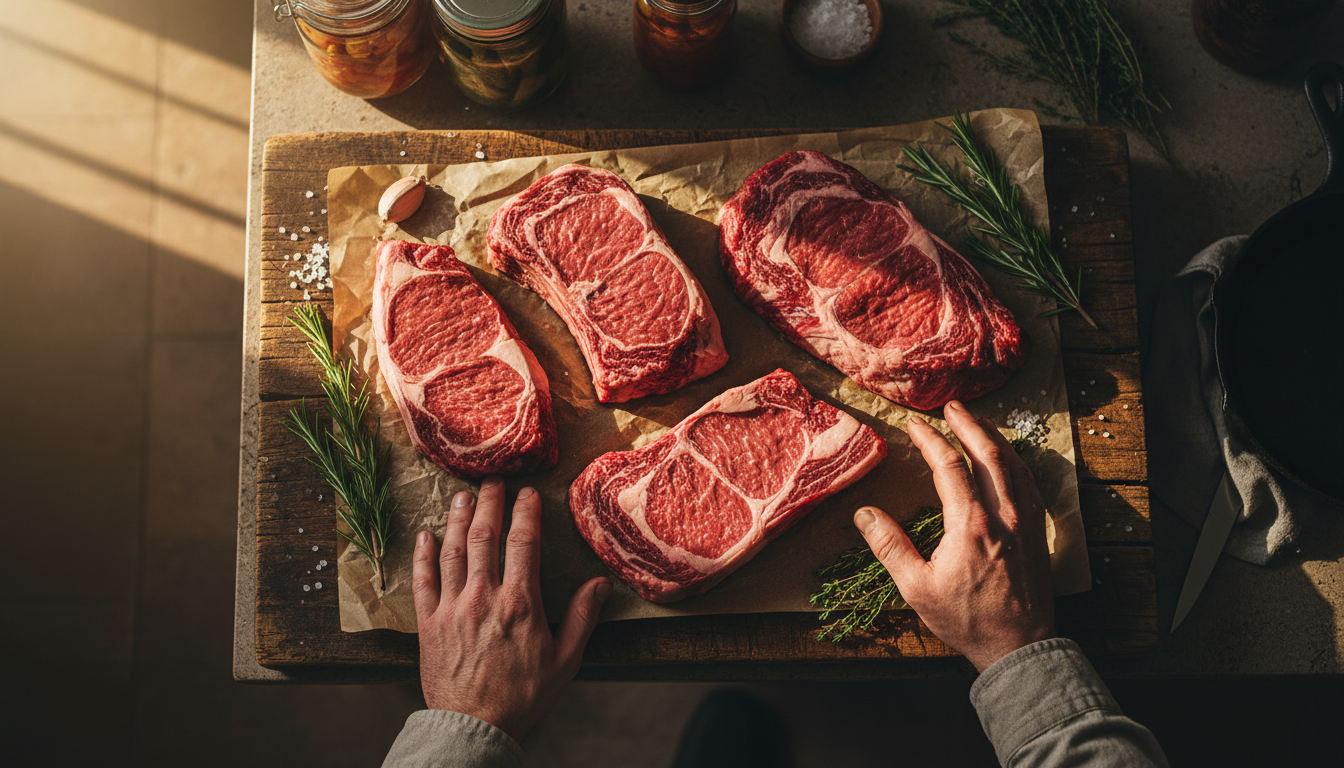
The United States is renowned for its high standards in beef production, offering a diverse range of organic and sustainable options. US farmers and ranchers are increasingly adopting practices that prioritize animal welfare, environmental sustainability, and product quality.
Many US beef producers are investing in regenerative agriculture techniques, which not only enhance soil health but also contribute to the sequestration of carbon, thereby reducing the industry’s carbon footprint. This commitment to sustainability aligns with the expectations of Asian consumers who are more conscious about the environmental impact of their purchases.
Trends in Consumer Preferences
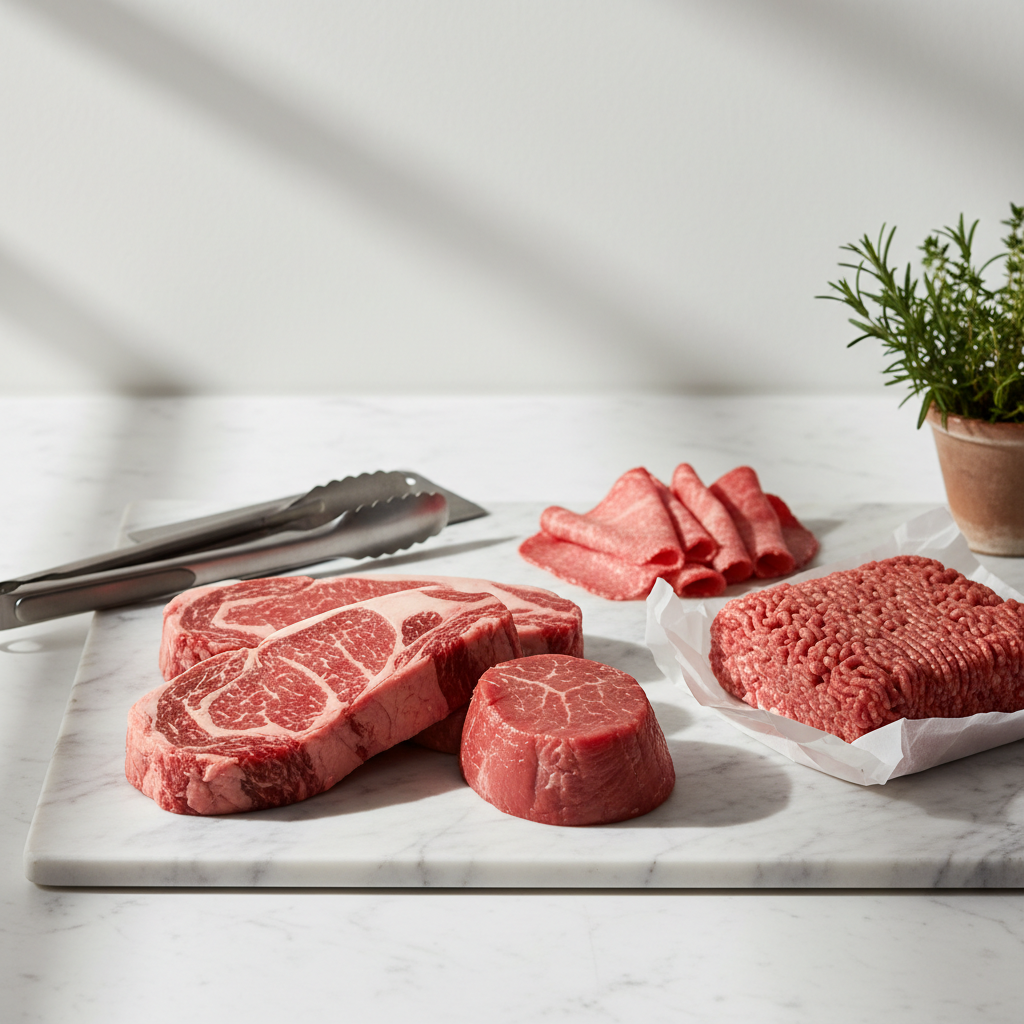
Asian consumers are becoming more health-conscious, leading to a surge in demand for organic and sustainably produced food. According to recent market research, there is a noticeable shift towards products that promote health benefits, transparency, and sustainability.
Key trends driving this demand include:
- Increased awareness of health benefits associated with organic products.
- Growing environmental consciousness among younger generations.
- Desire for traceability and transparency in food sourcing.

Challenges and Opportunities for Importers
While the opportunities for importing US organic and sustainable beef are promising, there are challenges that importers must navigate. These include understanding regulatory requirements, managing logistics, and meeting the specific tastes and preferences of diverse Asian markets.
However, the benefits outweigh the challenges. Importers who successfully integrate organic and sustainable beef into their offerings can differentiate themselves and capture a loyal customer base. Establishing strong relationships with US producers can also ensure a steady supply of high-quality beef.
Regulations and Standards
Importers must be well-versed in both US and local regulations governing organic and sustainable products. The USDA sets stringent standards for organic certification, and importers need to ensure that these standards align with the regulations in their respective countries.
Understanding these regulatory frameworks is crucial for maintaining compliance and ensuring the seamless import of beef products. Collaborating with knowledgeable US exporters can simplify this aspect significantly.
Conclusion
Exploring the trends in organic and sustainable US beef offers significant potential for Asian importers. By aligning with consumer preferences for health, sustainability, and transparency, importers can effectively cater to the burgeoning demand in Asian markets.
As the market for organic and sustainable beef continues to grow, staying informed about evolving trends and consumer behaviors will be vital for importers seeking to thrive in this dynamic industry.