
Debunking Myths About Brazilian Beef Exports
OP
Understanding Brazilian Beef Exports
Brazil is a global powerhouse in the beef industry, yet several myths cloud the perception of its exports. These myths often stem from misunderstandings about production methods, environmental impact, and quality standards. In this blog post, we'll explore and debunk some of these myths to provide a clearer understanding of Brazilian beef exports.
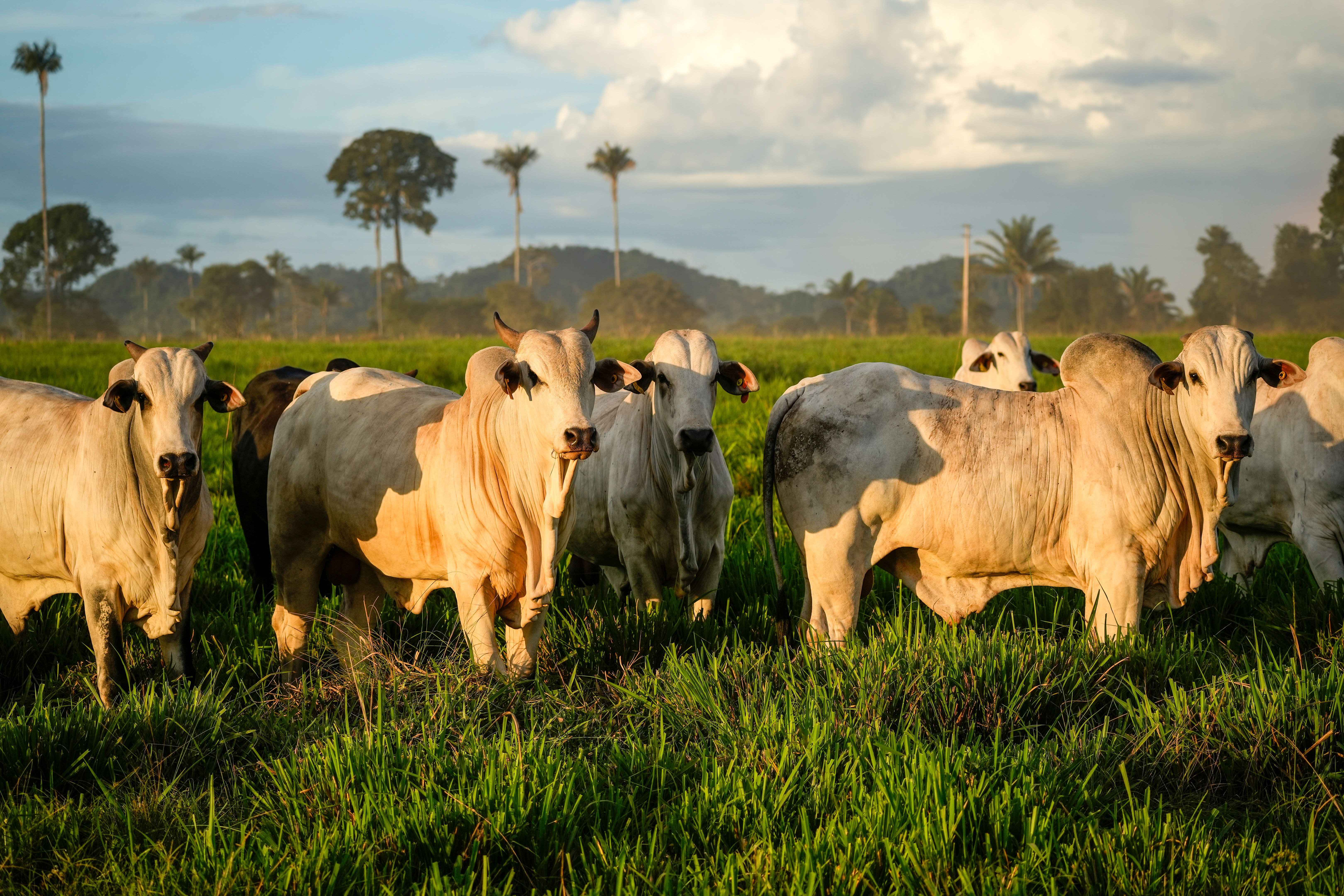
Myth 1: Brazilian Beef Is Poor Quality
A common misconception is that Brazilian beef is inferior in quality. In reality, Brazil follows stringent quality control measures to ensure that its beef meets international standards. The country employs advanced farming practices and maintains a robust supply chain to deliver premium beef worldwide. Moreover, Brazilian beef is renowned for its rich flavor and tenderness, making it a favorite in many global markets.
Brazilian farmers invest in high-quality feed and sustainable practices, ensuring that their cattle produce some of the finest beef available. The country’s commitment to quality is evident in its increasing presence in high-end markets.
Myth 2: Brazilian Beef Production Harms the Environment
Another prevalent myth is that Brazilian beef production is environmentally damaging. While it’s true that agriculture can impact the environment, Brazil has made significant strides in adopting sustainable practices. The country's beef industry is increasingly focused on reducing carbon emissions and preserving biodiversity through initiatives like integrated crop-livestock-forestry systems.

These systems help in maintaining soil health and reducing deforestation. Additionally, Brazil has implemented policies to protect the Amazon rainforest, with many beef producers actively participating in conservation efforts. This proactive approach is helping to mitigate environmental concerns.
Myth 3: Brazilian Beef Is Not Safe
Safety is a top priority for Brazilian beef exporters. The country adheres to international safety standards, ensuring that all beef products are safe for consumption. Brazil's beef industry is subject to rigorous inspections and certifications, such as the Hazard Analysis and Critical Control Points (HACCP) system, which is recognized worldwide.
Moreover, Brazilian beef undergoes thorough testing for contaminants and pathogens, providing consumers with peace of mind regarding the safety of their purchases.

Myth 4: Brazilian Beef Is Cheap and Mass-Produced
While Brazil is a major producer of beef, it's a misconception that all its beef is cheap and mass-produced. The country offers a wide range of beef products, from affordable cuts to premium selections. Brazilian beef caters to diverse markets, including luxury dining establishments that demand only the best quality.
Brazil's ability to produce beef at scale does not compromise its quality. Instead, the country's extensive resources and expertise allow it to efficiently produce high-quality beef that meets global demands.
Conclusion
Debunking these myths is crucial for appreciating the value and quality of Brazilian beef exports. As the industry continues to innovate and adopt sustainable practices, Brazil remains a trusted leader in the global beef market. By understanding the truth behind these misconceptions, consumers can make more informed choices and enjoy the rich flavors that Brazilian beef has to offer.