Debunking Common Myths About American Beef in Asian Markets
OP
Understanding the Source of American Beef
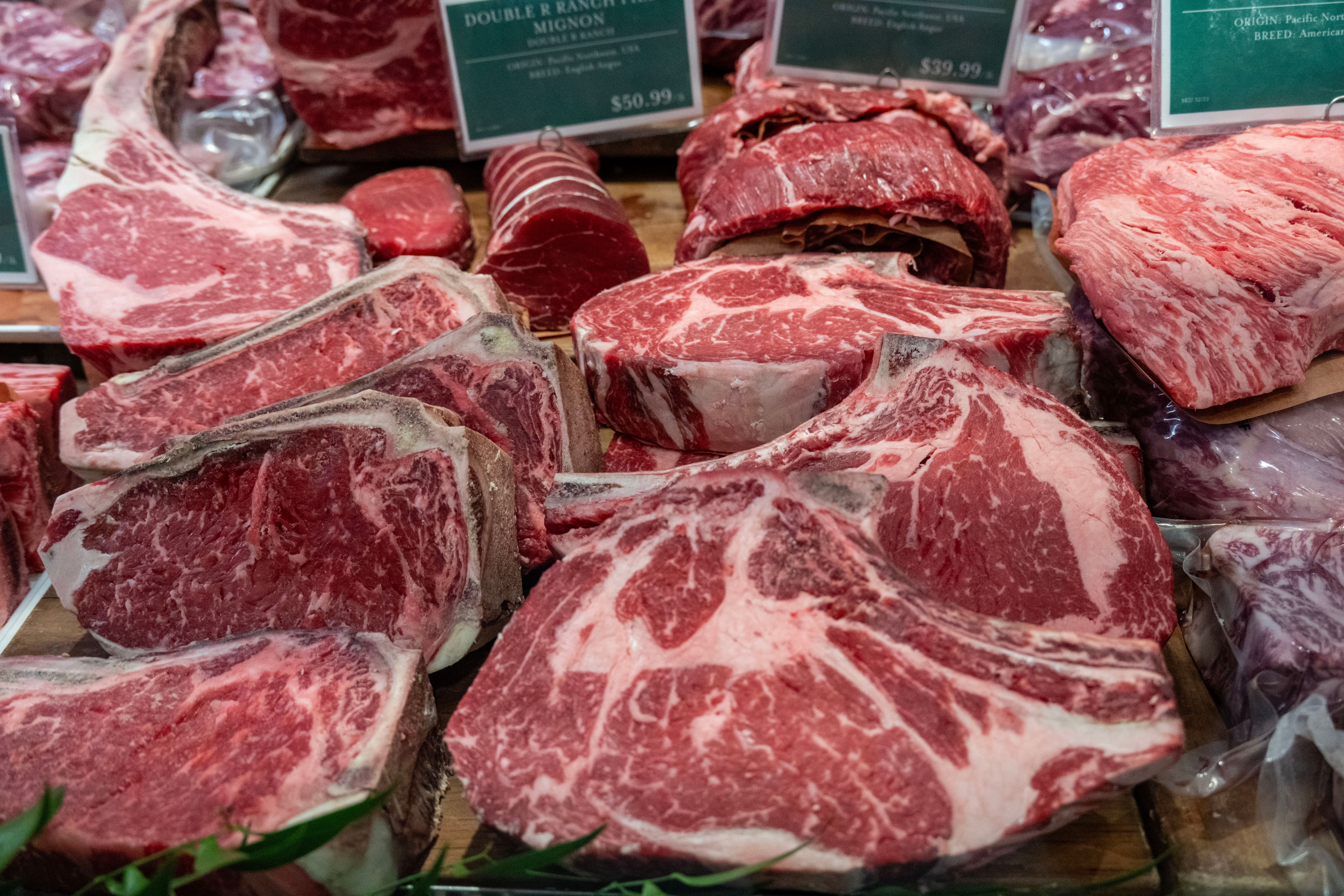
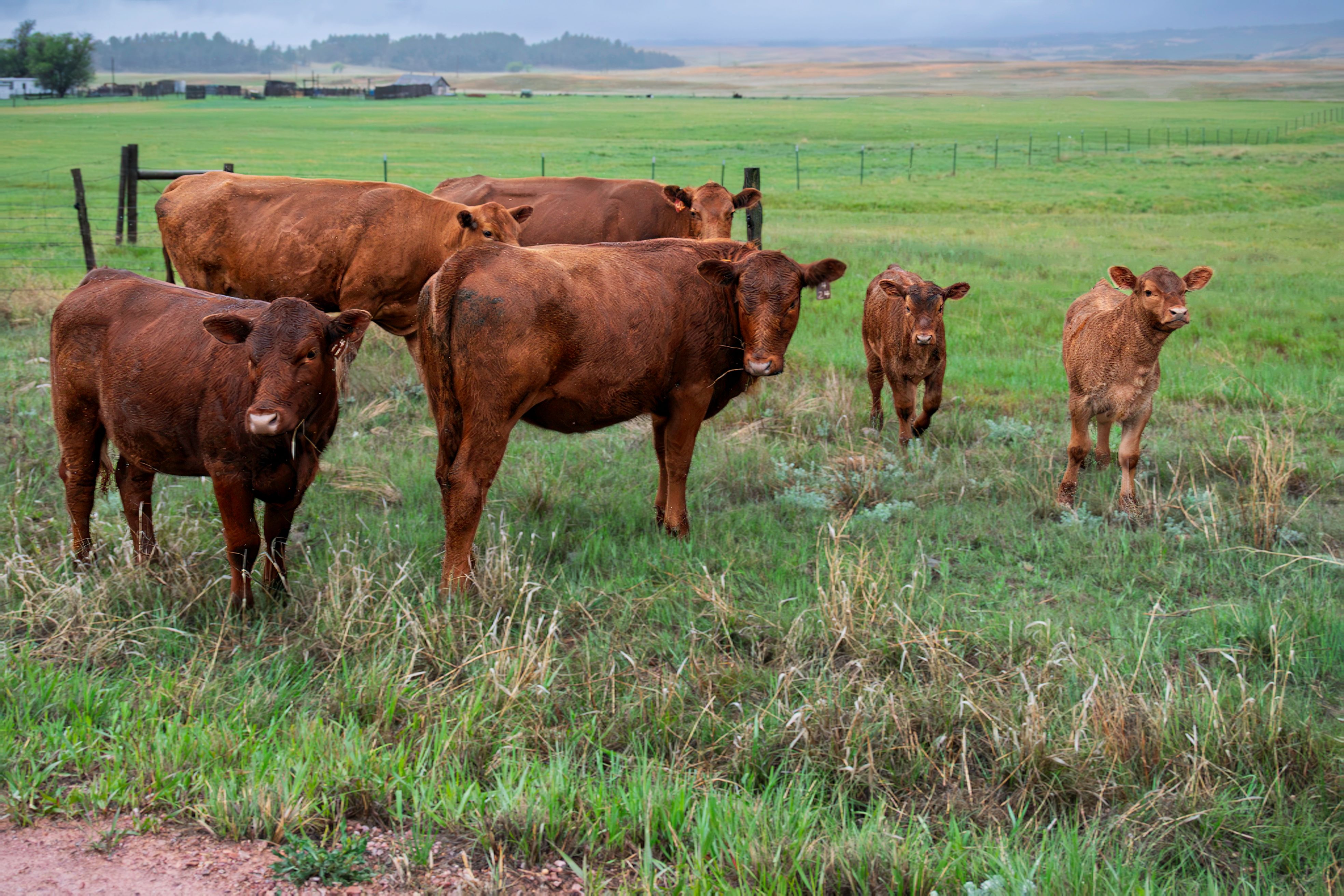
One of the most pervasive myths about American beef is its origin. Many believe that all American beef is sourced from large-scale industrial farms. However, a significant portion of American beef comes from small to medium-sized family farms. These farms prioritize sustainable practices and animal welfare, ensuring high-quality meat for consumers worldwide.
American beef farmers adhere to strict standards set by the USDA, ensuring that the meat is not only safe but also of exceptional quality. This commitment to excellence is a key reason why American beef is highly sought after in Asian markets.
Environmental Concerns and Sustainability
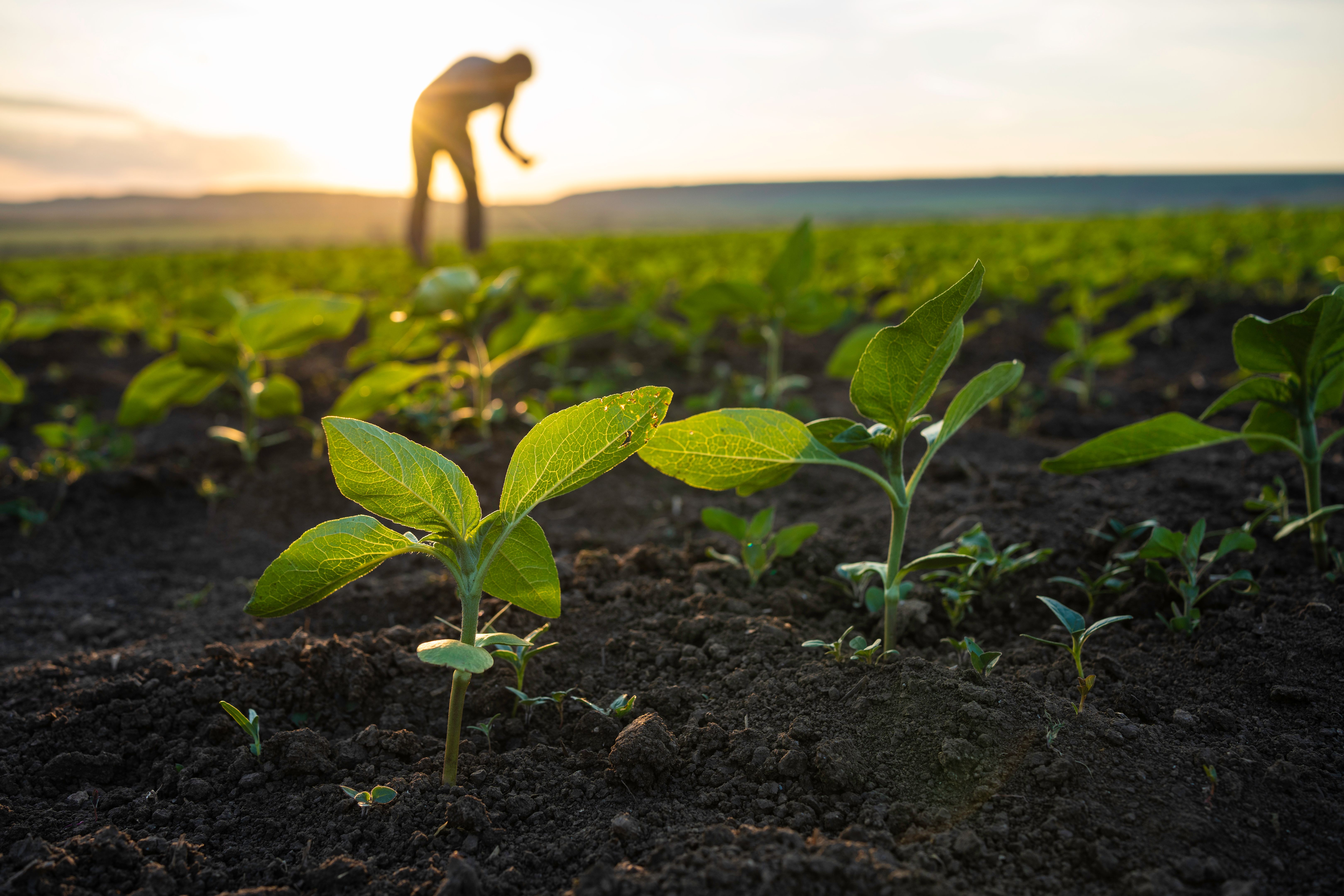
Another common misconception is that American beef production is environmentally harmful. While it's true that beef production has an environmental impact, American farmers are actively working to reduce their carbon footprint. Innovations in feed efficiency, waste management, and grazing techniques are helping to make beef production more sustainable.
Additionally, many American beef producers participate in conservation programs aimed at preserving natural resources. These efforts demonstrate a commitment to environmental stewardship that often goes unrecognized in discussions about beef production.
Exploring the Nutritional Value
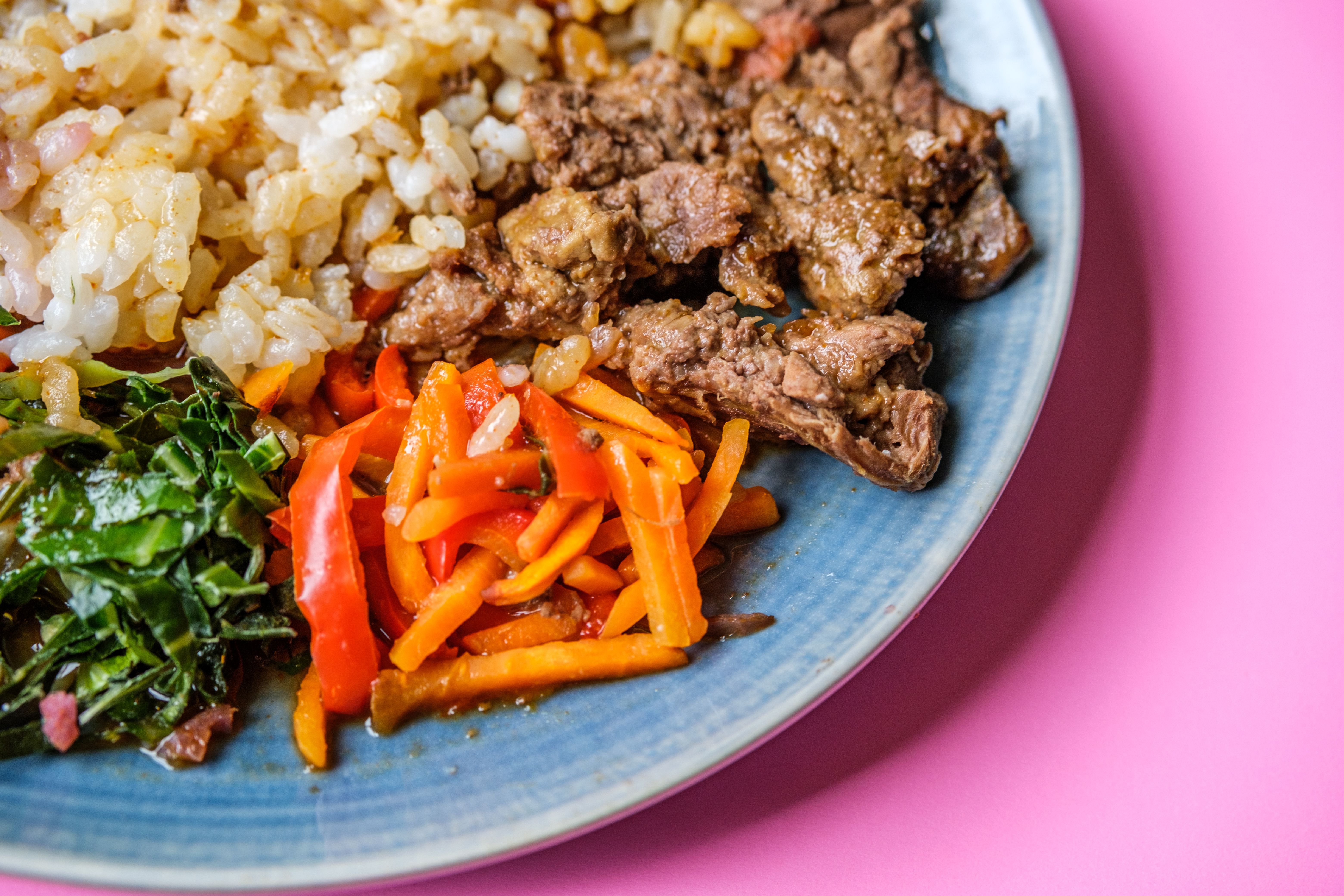
There's a prevailing myth that American beef is less nutritious compared to other sources. In reality, American beef is rich in essential nutrients such as protein, iron, and B vitamins. These nutrients are vital for a balanced diet and support overall health and wellness.
Moreover, American beef is often leaner than expected, with many cuts offering a healthy option for consumers. The emphasis on quality and nutrition is a testament to the rigorous standards maintained by American beef producers.
Addressing Hormone and Antibiotic Use
Concerns about hormone and antibiotic use in American beef are widespread, yet often misunderstood. The use of hormones is strictly regulated, and when used, they are within safe limits established by health authorities. Similarly, antibiotics are used responsibly, primarily to ensure animal health and welfare.
Importantly, there are specific withdrawal periods before animals are processed to ensure that no residues remain in the meat. These practices ensure that American beef is safe for consumption, alleviating concerns about its safety in Asian markets.
Economic Impact and Market Presence
Lastly, some believe that American beef is too expensive for Asian markets. While premium cuts can be costly, there are many affordable options available. The wide range of cuts and grades allows consumers to choose products that fit their budget without sacrificing quality.
American beef has established a strong presence in Asian markets, driven by its reputation for quality and safety. This presence supports not only the American economy but also provides diverse options for consumers, enhancing the culinary landscape in Asia.