
Comparing Brazilian and Local Beef: What Asian Markets Need to Know
OP
Understanding the Global Beef Market
As Asian markets continue to grow, the demand for high-quality beef has increased significantly. In this context, Brazilian beef and local beef have emerged as leading contenders. Understanding the distinctions between these two options can help consumers make informed decisions.
Brazil, as one of the largest beef exporters globally, has built a reputation for its vast cattle ranches and efficient production. However, local beef producers in various Asian countries offer unique advantages, including freshness and reduced transportation costs.

Quality and Taste
The quality and taste of beef are crucial factors that influence consumer preference. Brazilian beef is often praised for its robust flavor and tenderness, attributed to the cattle's grass-fed diet. In contrast, local beef might offer a fresher taste due to shorter supply chains, ensuring the meat reaches consumers more quickly.
Asian consumers often prefer the taste profiles they are accustomed to, which can make local beef more appealing. However, Brazilian beef's unique flavor can provide an exotic option for those seeking something different.
Pricing Considerations
Price is another important consideration when comparing Brazilian and local beef. Brazilian beef is generally more affordable due to the country's large-scale production and lower labor costs. This competitive pricing makes it an attractive option for budget-conscious consumers.
Local beef might come with a premium price tag, reflecting the higher production costs and limited supply. However, many consumers are willing to pay extra for the assurance of locally sourced products.

Environmental Impact
Environmental sustainability is increasingly becoming a significant factor in food choices. Brazilian beef production has faced criticism for its role in deforestation and greenhouse gas emissions. Efforts are underway to address these concerns, but they remain a consideration for environmentally conscious consumers.
On the other hand, local beef producers may have smaller carbon footprints, contributing to more sustainable practices. Consumers concerned about environmental impact might prefer locally sourced beef to minimize their ecological footprint.
Health and Safety Standards
Health and safety standards are paramount, especially in the wake of global health concerns. Brazilian beef exports are subject to stringent regulations, ensuring high safety standards. However, occasional reports of issues have led to consumer hesitance.
Local beef often benefits from robust local regulations and oversight, providing an added layer of confidence for consumers prioritizing safety. Trust in local producers can be a decisive factor for many.
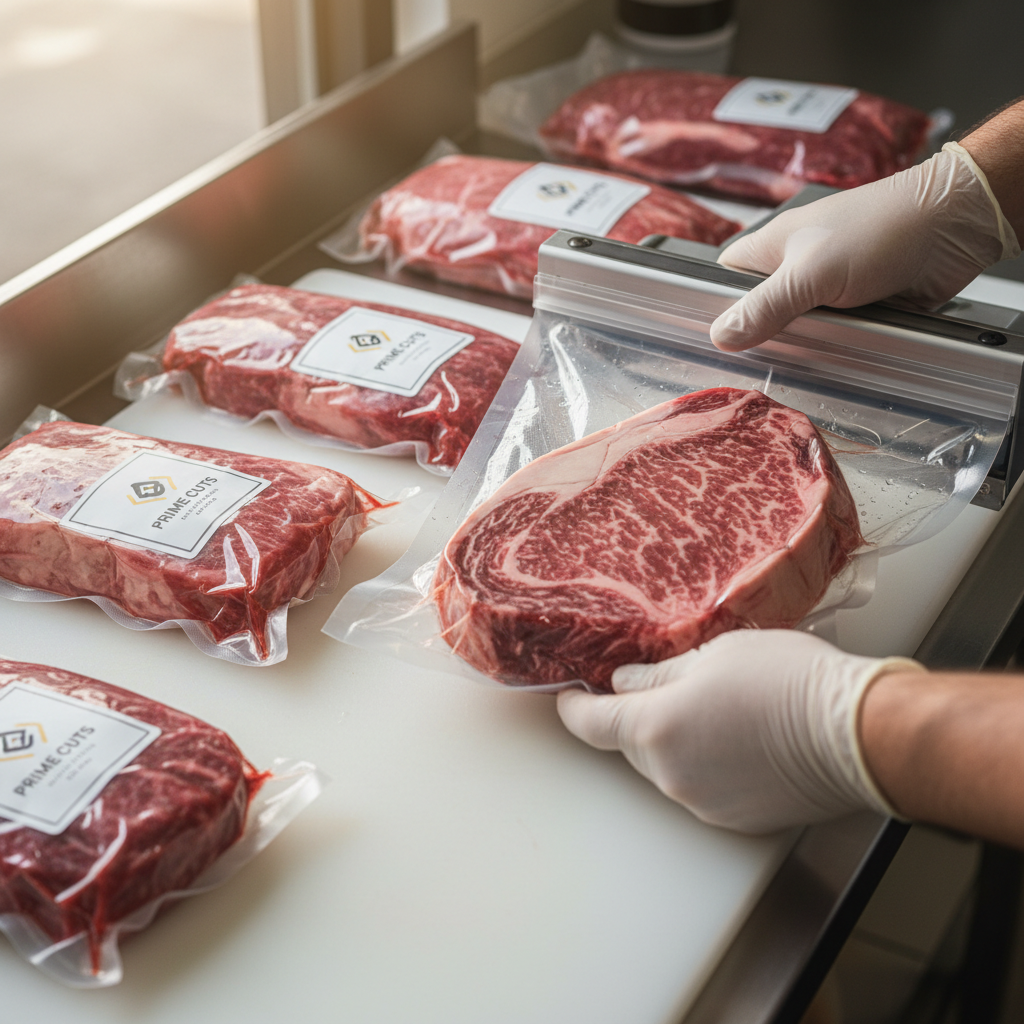
Conclusion: Making the Right Choice
Ultimately, the choice between Brazilian and local beef depends on individual priorities, whether it's taste, price, environmental impact, or health standards. Asian markets are diverse, and the preferences of consumers in these regions reflect a wide range of considerations.
By understanding the strengths and weaknesses of each option, consumers can make informed decisions that align with their values and preferences. Whether opting for the exotic appeal of Brazilian beef or the familiar taste of local offerings, the decision is personal and nuanced.