
Common Misconceptions About Beef Export Quality and Safety
OP
Understanding Beef Export Quality
When it comes to beef exports, many consumers harbor misconceptions about quality. Some believe that exported beef is of inferior quality compared to what is available domestically. However, this is far from the truth. Beef that is exported undergoes rigorous testing and certification processes to ensure it meets international standards.
Global Standards for Beef Safety
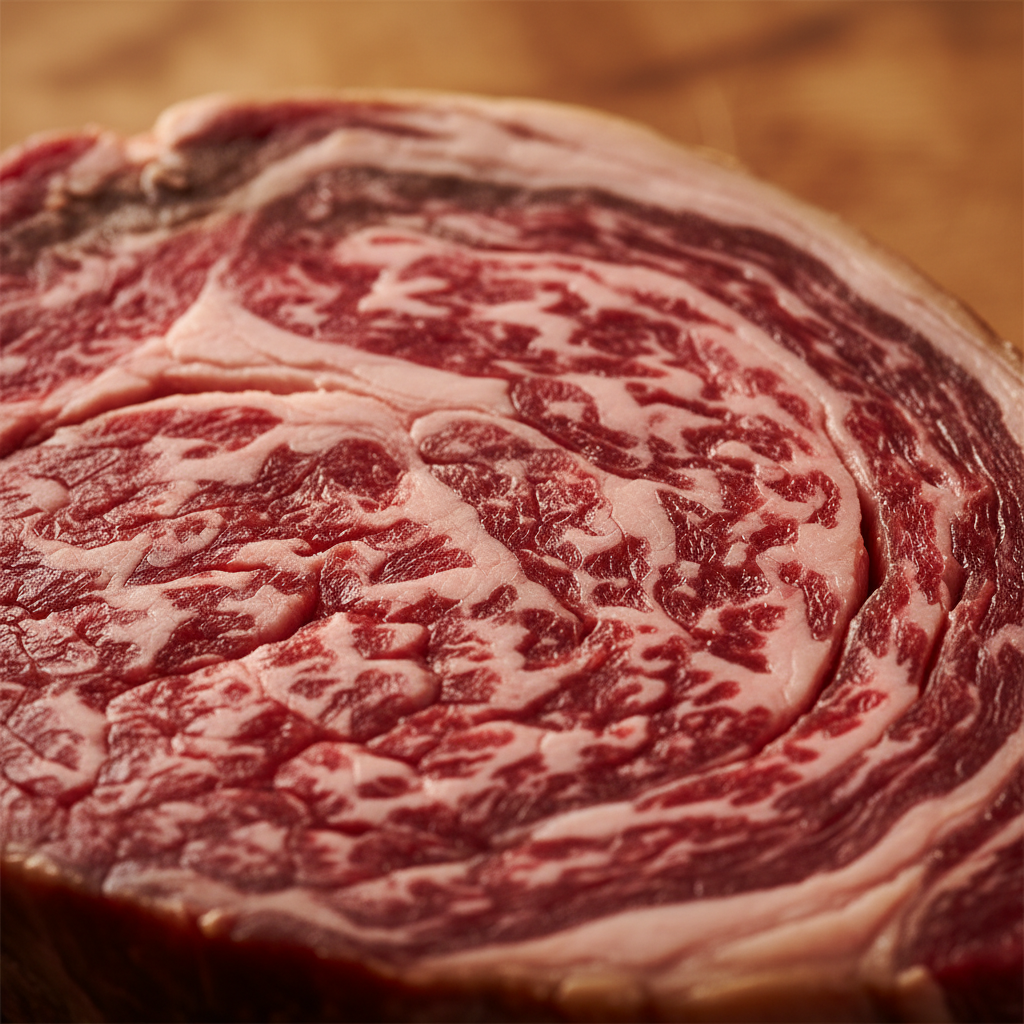
One of the primary concerns is the safety of beef exported from one country to another. Exported beef is subject to stringent safety checks that often exceed those of domestic markets. These checks include monitoring for contaminants and ensuring that the meat is free from diseases. Such measures are in place to protect consumers and maintain trust in international markets.
Export Certification Processes
Before beef can be exported, it must receive certification from relevant regulatory bodies. This certification process involves multiple steps, including inspections and documentation. Exporters must comply with the importing country's regulations, which are often extensive. This ensures that the beef is safe and meets both local and international standards.
Quality Perception vs. Reality
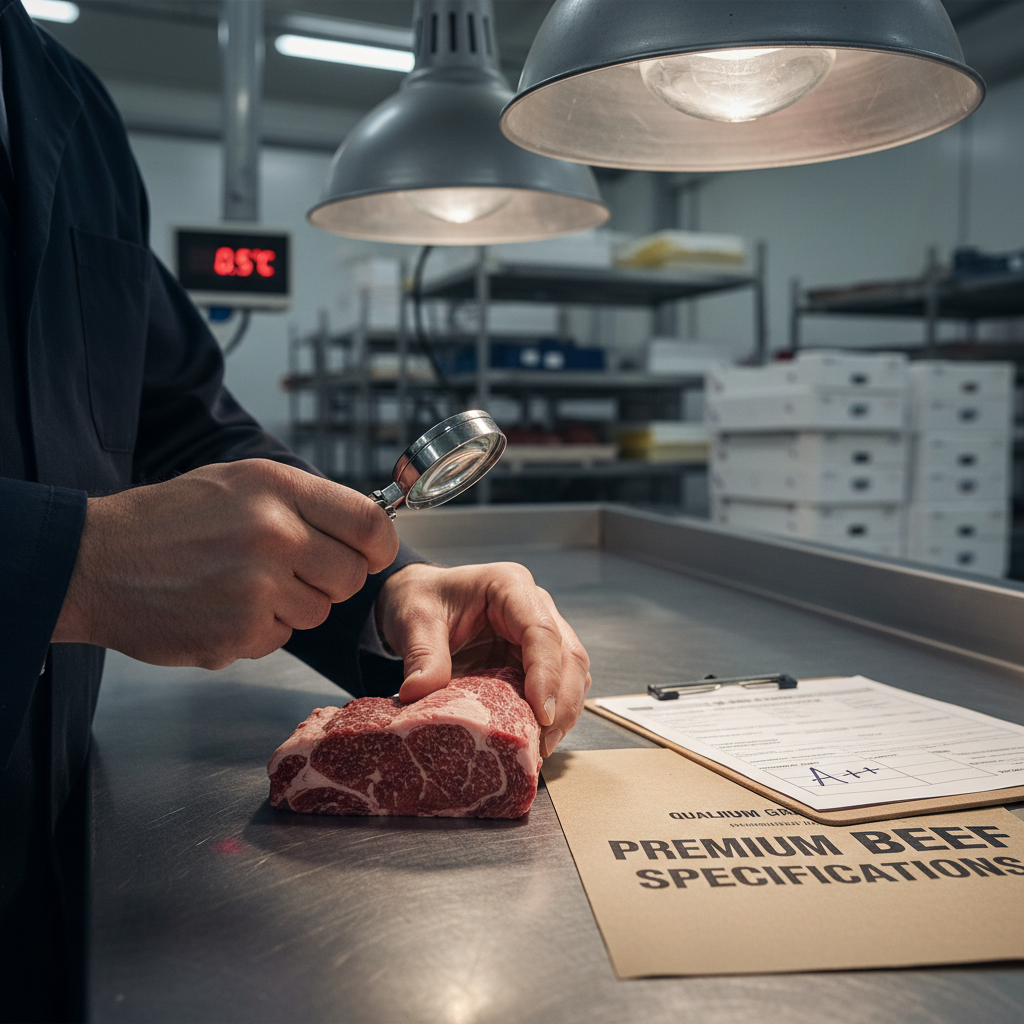
Another common misconception is that exported beef lacks flavor or tenderness compared to local offerings. In reality, the quality of exported beef often matches or exceeds that of domestic beef. Exporters prioritize maintaining the quality of their products to build a strong reputation in international markets.
Role of Technology in Quality Assurance
Modern technology plays a crucial role in ensuring the quality and safety of exported beef. From advanced packaging techniques to real-time tracking systems, technology helps in maintaining the integrity of beef during transportation. These innovations ensure that the beef arrives fresh and safe for consumption.

Addressing Consumer Concerns
To address consumer concerns, many exporters are transparent about their processes. They provide information on how the beef is raised, processed, and transported. This transparency helps in building consumer confidence and dispelling myths about export quality.
Benefits of Exporting High-Quality Beef
Exporting high-quality beef benefits not only the exporting country but also the importing nations. It allows consumers around the world to enjoy a variety of beef products that may not be available locally. Additionally, it supports global trade and economic growth.
In conclusion, the misconceptions about beef export quality and safety are largely unfounded. Through stringent regulations, technological advancements, and transparent practices, exporters ensure that their beef meets the highest standards. This dedication to quality benefits consumers globally and fosters trust in international food markets.