
A Step-by-Step Guide to Importing US Beef into Asia
OP
Understanding the Import Process
Importing US beef into Asia requires navigating a complex web of regulations and logistics. To ensure a smooth process, it is essential to understand the various steps and requirements involved. This guide will walk you through the key stages of the import process, helping you manage everything from compliance to transportation.
The first step is to familiarize yourself with the import regulations specific to the destination country in Asia. Each country has its own set of rules regarding the importation of beef, including health and safety standards. It’s crucial to research these regulations thoroughly and ensure compliance to avoid any legal issues.

Establishing Supplier Relationships
Building strong relationships with reliable suppliers in the US is a crucial part of importing beef into Asia. Look for suppliers who have a track record of quality and reliability. Establishing trust and clear communication channels can significantly impact the success of your import business.
Once you've identified potential suppliers, negotiate terms that are favorable for both parties. Discuss pricing, delivery schedules, and any other relevant details. A well-structured agreement will serve as the foundation for a successful partnership.

Handling Logistics and Shipping
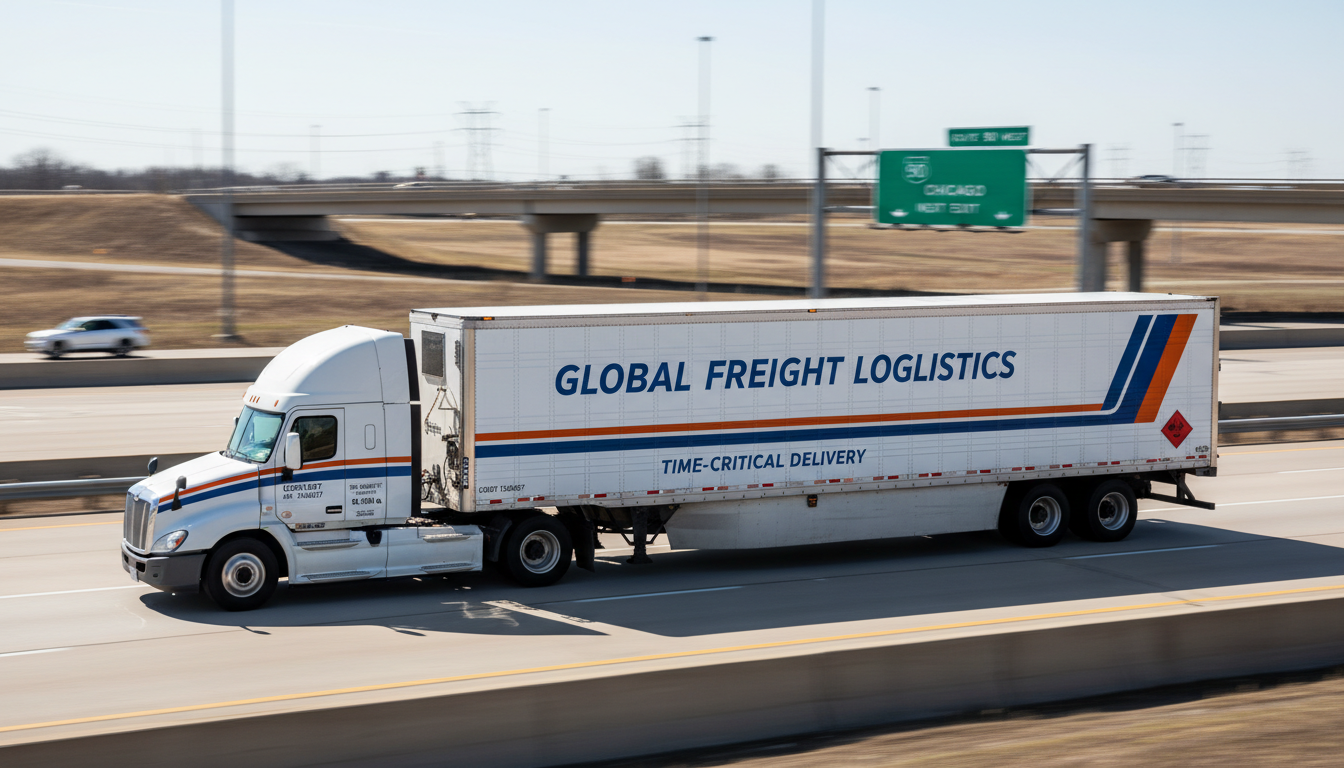
Logistics play a vital role in importing beef. Efficient transportation and storage are essential to maintaining the quality of the meat. Work with logistics providers who specialize in food transportation to ensure that your shipments are handled with care.
Consider the different shipping options available, such as air freight or sea freight. Each option has its pros and cons, depending on your budget, timeline, and the volume of beef being imported. It's important to weigh these factors carefully to make the best decision.
Documentation and Compliance
Proper documentation is critical when importing beef into Asia. This includes obtaining health certificates, import licenses, and any other required documentation. Ensure that all paperwork is completed accurately and submitted on time to prevent delays or fines.
Working with a customs broker can be beneficial in navigating the paperwork and compliance requirements. A broker can help streamline the process, ensuring that all documents are in order and that your shipment clears customs without issues.
Ensuring Quality Control
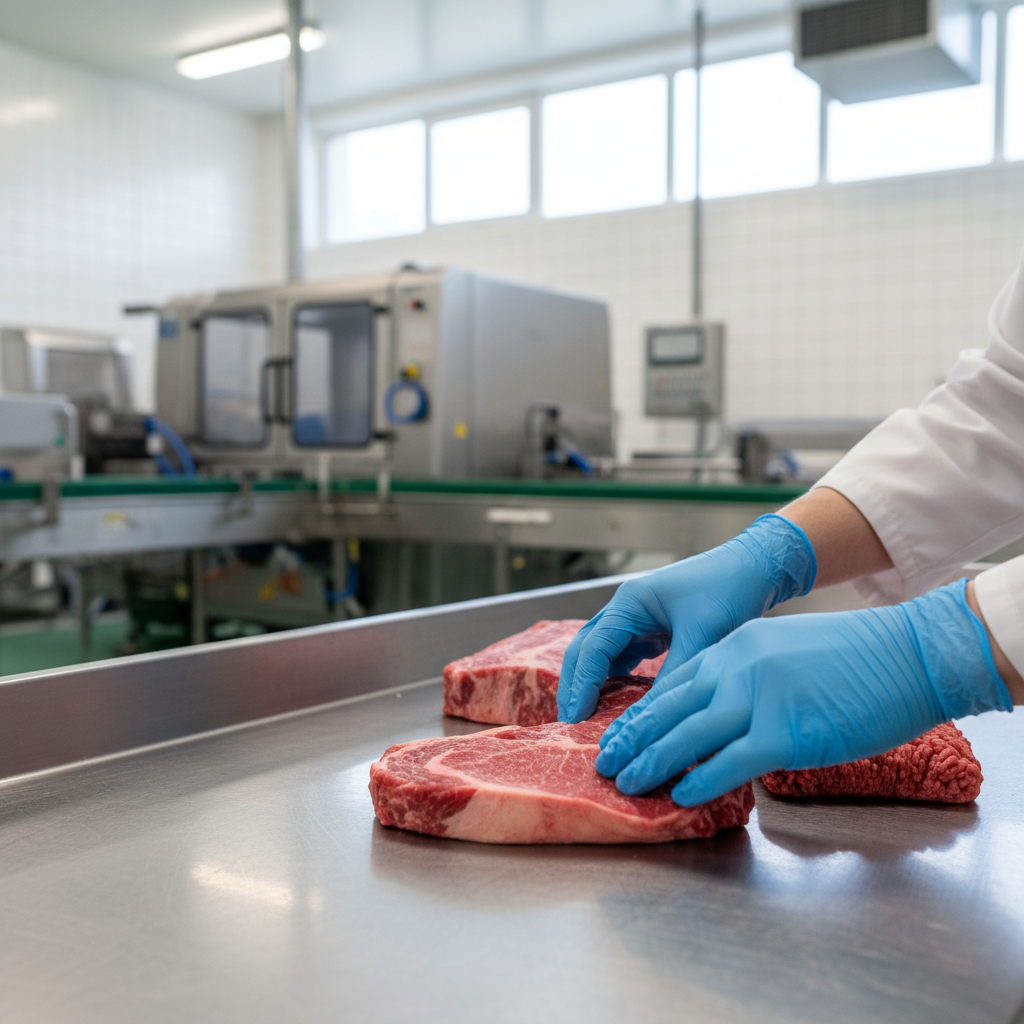
Maintaining the quality of beef during import is paramount. Implement quality control measures throughout the supply chain, from sourcing to final delivery. This includes temperature monitoring during transport and regular inspections upon arrival.
Having a robust quality assurance system in place will not only satisfy regulatory requirements but also build trust with your customers. Consistently delivering high-quality beef can lead to repeat business and a strong reputation in the market.
Marketing and Distribution
Once the beef has arrived and cleared customs, the next step is marketing and distribution. Understanding the local market dynamics in Asia is crucial. Tailor your marketing strategies to meet the preferences and demands of local consumers.
Consider working with local distributors who have established networks and can help you reach your target audience effectively. A strategic approach to distribution will ensure that your product reaches the right customers and maximizes sales potential.
Conclusion
Importing US beef into Asia is a multifaceted process that requires careful planning and execution. By understanding the regulations, establishing strong supplier relationships, and managing logistics efficiently, you can successfully navigate the import process. Ensuring quality control and implementing effective marketing strategies will help you establish a thriving business in the Asian market.